

Developer: WhackAKey Games


At a glance
81 Steam reviews rate it “Mixed” (49% positive). Released on August 17, 2017 by WhackAKey Games. Current price: $0.69.
Description

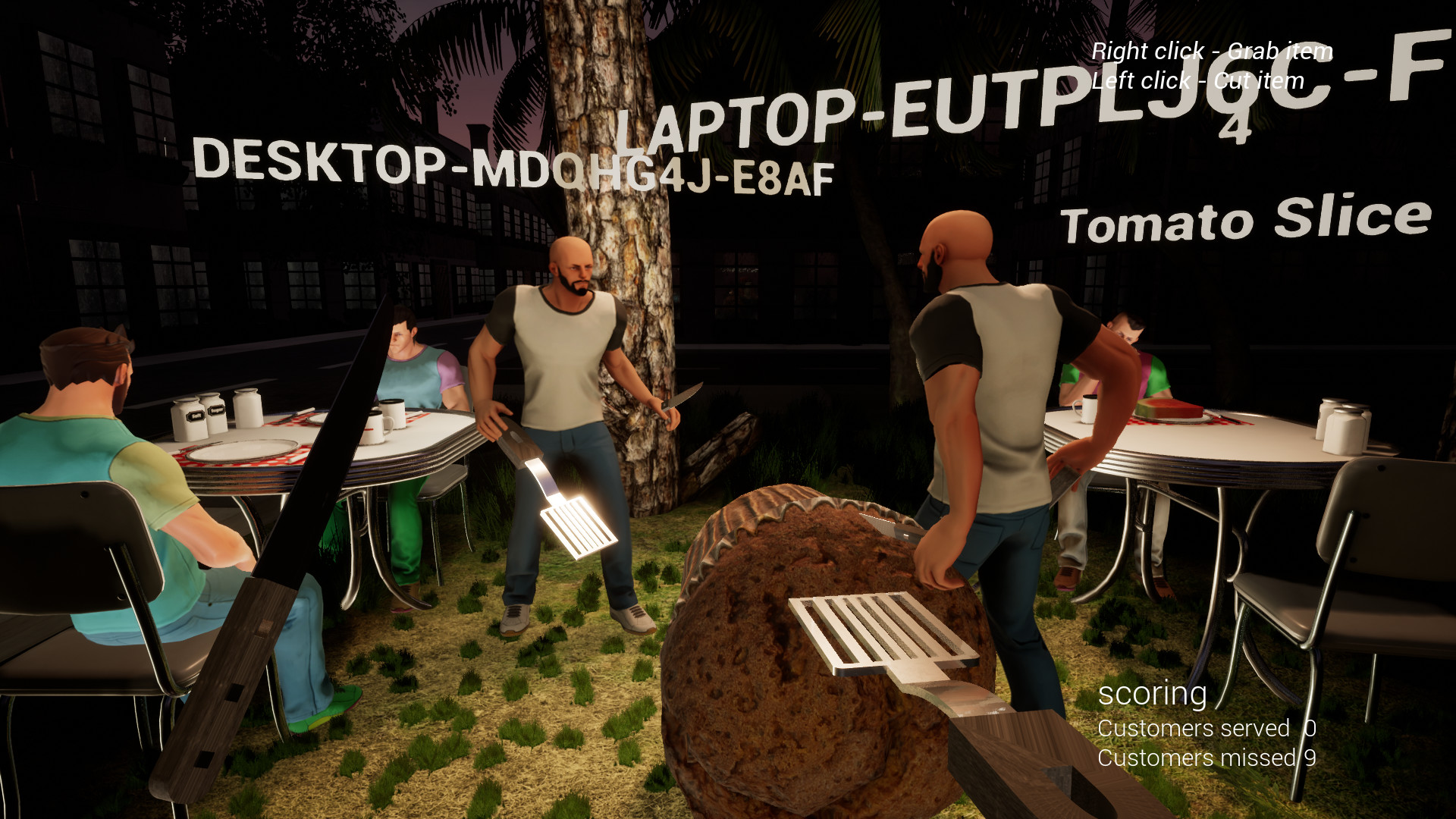
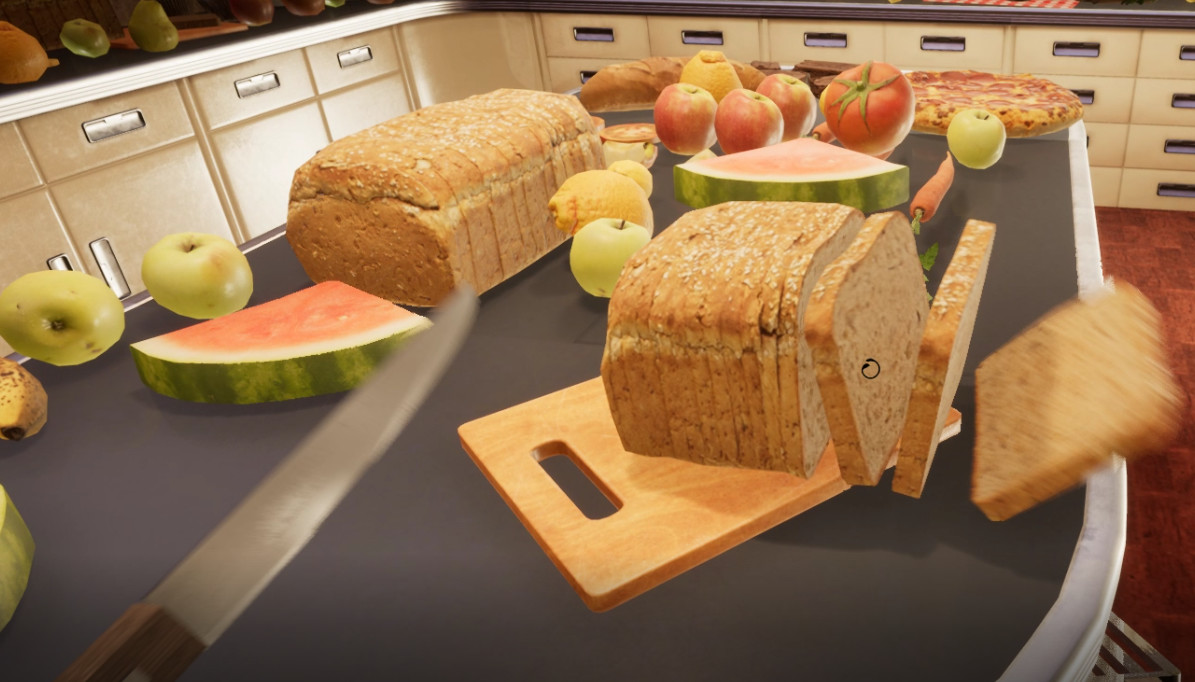
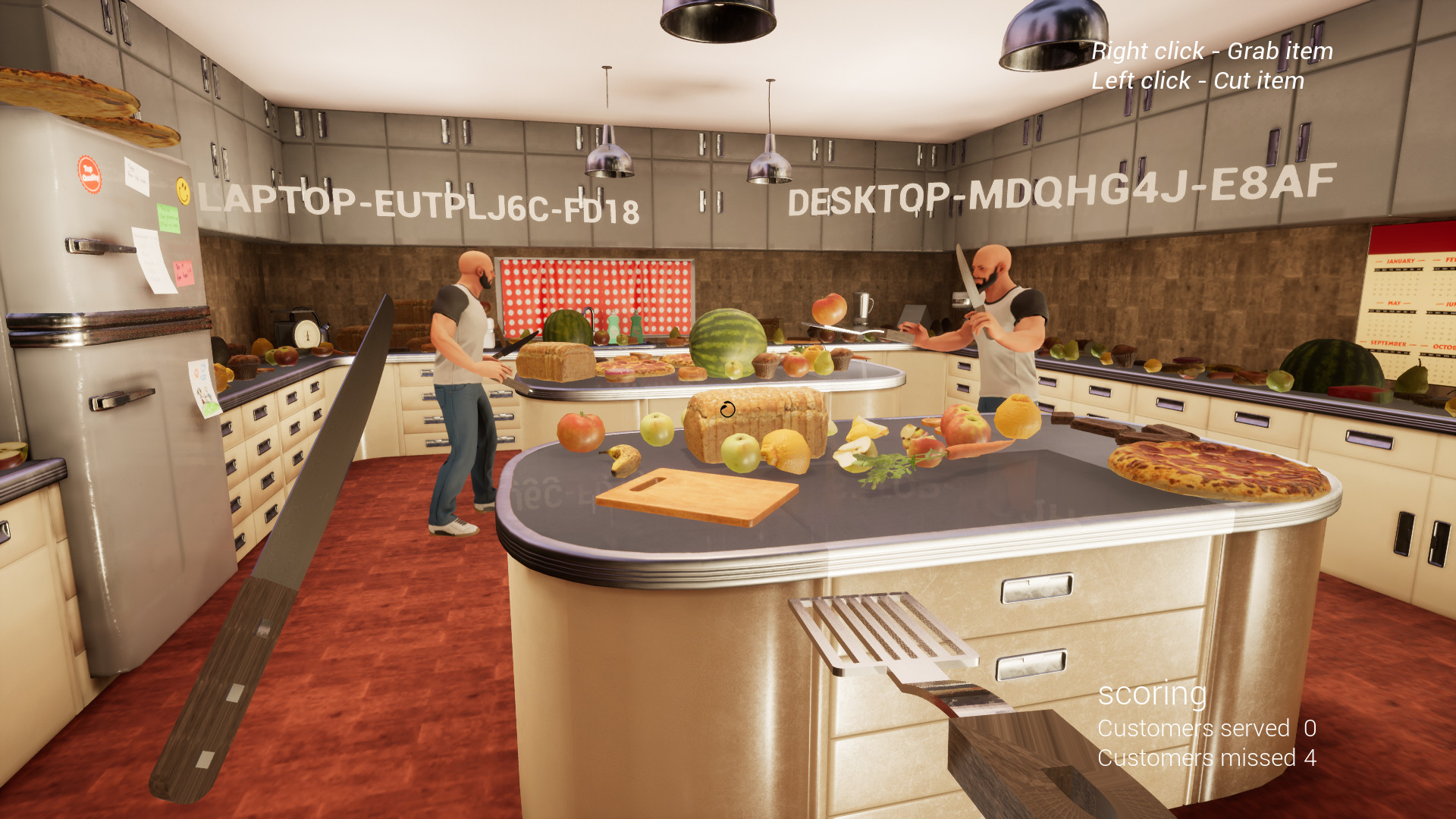
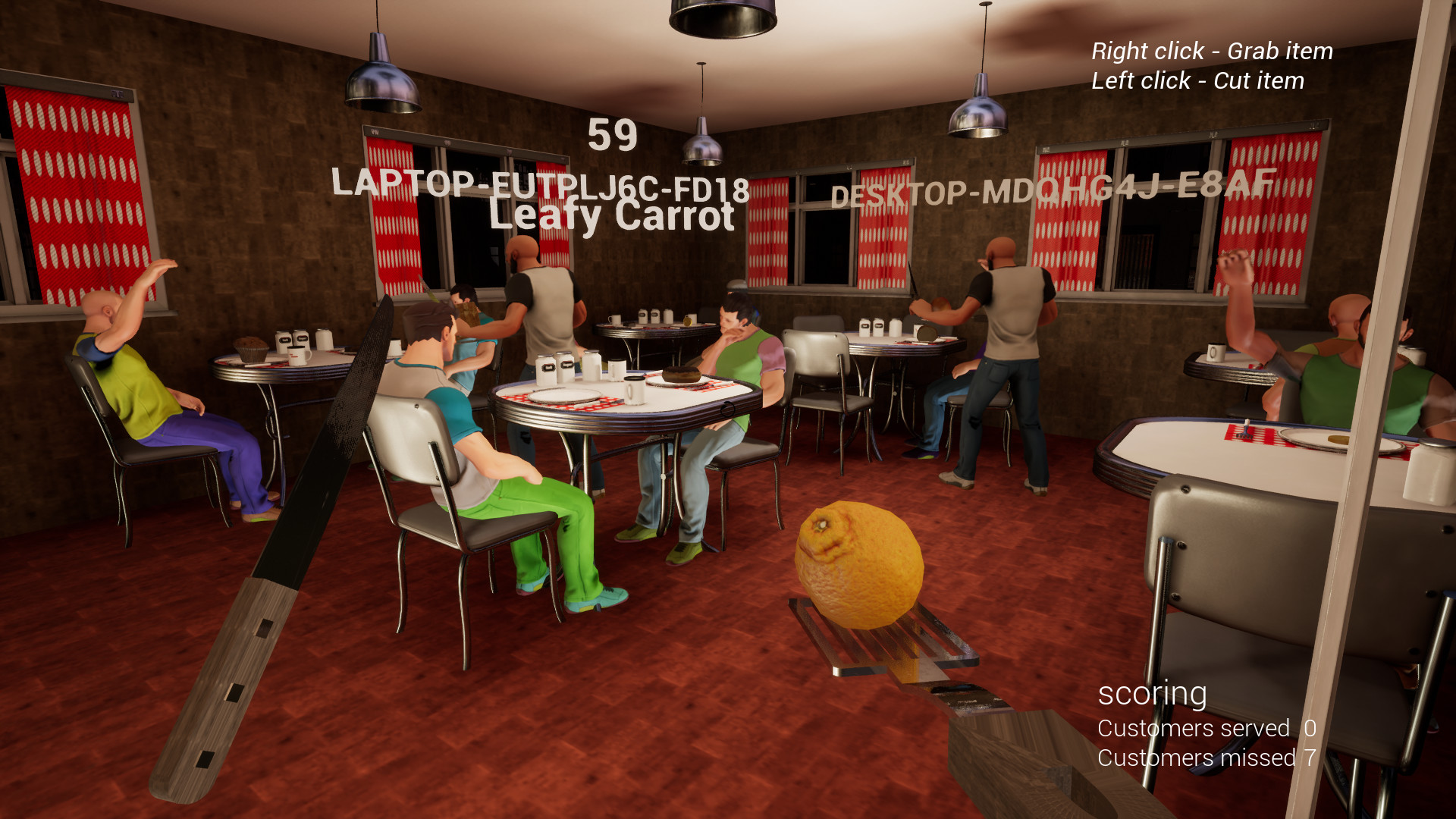
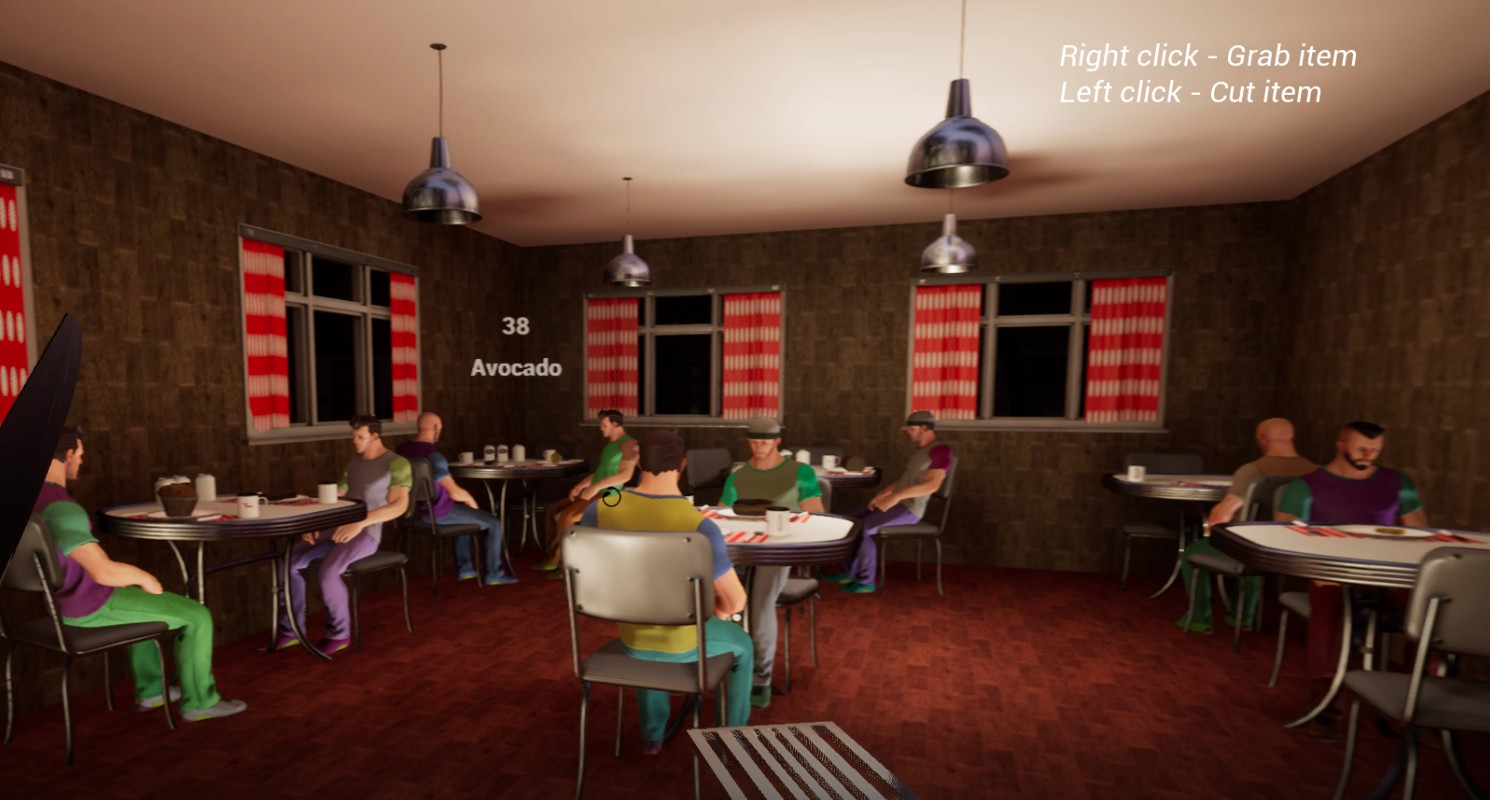
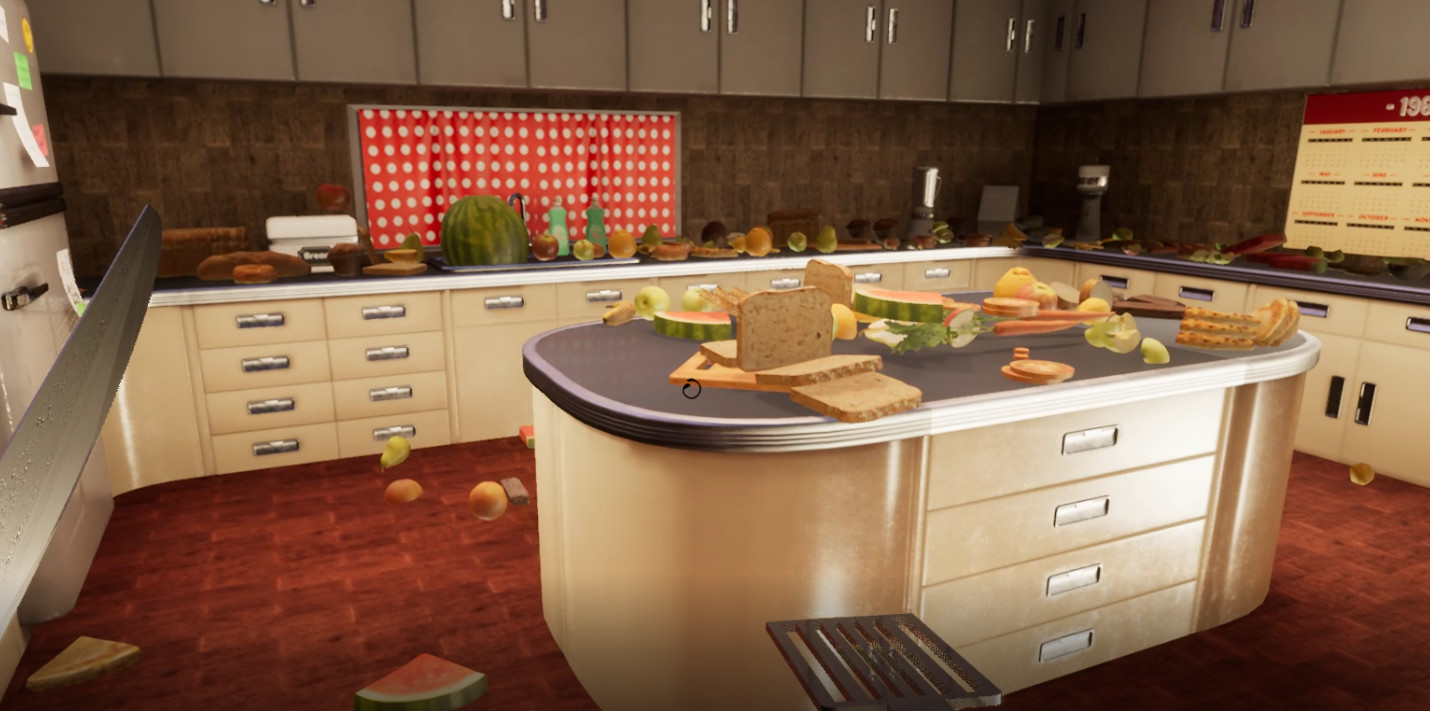
Ever wanted to own your own restaurant? Well now you can with Kitchen Simulator 2. Customer satisfaction is your main aim, try and serve as many customers as you can, without leaving to many disappointed before the day ends. Have the enjoyment of preparing the food according to orders placed by your customers, by either cutting up food or creating a new food item. With a great restaurant setting, fully equipped kitchen, chatter among customers, let the chopping begin. Remember the clock is ticking and your customers are ready for a feast.
Cut up and create new foods

Enjoy with your friends

Attend to your customers

Supported languages: english
Something wrong on this page? Let us know
Description and screenshots are provided by the publisher via the Steam Store page.
System Requirements
Windows
- OS *: Windows 7 32-bit or 64-bit
- Processor: i3
- Memory: 2 GB RAM
- Graphics: NVIDIA GeForce 470 GTX or AMD Radeon 6870 HD series card or higher.
- DirectX: Version 11
- Storage: 8 GB available space
- OS: Windows 10 32-bit or 64-bit
- Processor: i3
- Memory: 4 GB RAM
- Graphics: NVIDIA GeForce 470 GTX or AMD Radeon 6870 HD series card or higher.
- DirectX: Version 11
- Storage: 8 GB available space
User Reviews

Kitchen Simulator 2 is a small indie cooking simulation developed by WhackAKey Games and published by Conglomerate 5. The game attempts to recreate the hectic atmosphere of a restaurant kitchen by placing players in charge of preparing meals, serving customers, and managing a constant flow of orders within a limited time. While it does not strive for deep realism or advanced culinary mechanics, the game focuses on the fast-paced rhythm of kitchen work, emphasizing speed, multitasking, and organization. Players step into the role of a cook responsible for satisfying customers and keeping the kitchen running efficiently, creating a gameplay loop that blends time management with light simulation elements.
The core gameplay revolves around handling customer orders as they arrive throughout the day. Each order requires specific ingredients and preparation steps, and players must quickly gather the necessary components before assembling the final dish. The process typically involves actions such as selecting ingredients, chopping or preparing them, and combining items to produce the requested meal. As more customers arrive, the pace of the kitchen increases, forcing players to juggle multiple orders simultaneously while ensuring that dishes are prepared correctly. This constant pressure creates a sense of urgency, as mistakes or delays can lead to dissatisfied customers and reduced progress.
Time management plays a central role in shaping the experience. Each working day presents a limited window in which players must complete as many orders as possible while maintaining a steady workflow. If customers wait too long for their food or receive the wrong items, their patience decreases, which can negatively impact the player’s performance. This mechanic encourages players to develop efficient routines inside the kitchen, learning where ingredients are located and how to quickly assemble meals without unnecessary movement. Over time, players begin to treat the kitchen almost like a puzzle, optimizing their actions to handle growing waves of orders.
The kitchen environment itself is designed to be lively and somewhat chaotic, reflecting the constant activity of a busy restaurant. Players must move around the workspace to reach preparation surfaces, ingredients, and serving areas, which adds a physical sense of movement to the gameplay. Even though the mechanics are fairly simple, the act of navigating the kitchen while balancing multiple tasks helps create a feeling of urgency that mirrors the pressure of real-world food service. Customers continue to arrive with new requests, and the player must constantly shift attention between preparation, cooking, and delivery.
One of the notable features of Kitchen Simulator 2 is its inclusion of multiplayer options that allow more than one player to participate in the kitchen. The game supports local cooperative play, giving players the chance to divide responsibilities between different roles. For example, one player might focus on gathering ingredients while another assembles meals or serves customers. This cooperative element can make the experience more dynamic and entertaining, as teamwork becomes essential for keeping up with increasing demand. When played with friends, the kitchen can quickly turn into a chaotic but humorous environment where coordination and communication are key to success.
In addition to cooperative play, the multiplayer aspect can also introduce a competitive element depending on how players approach the tasks. Participants may try to outperform one another by preparing dishes faster or completing more orders within the same time period. This flexibility allows the game to function as both a collaborative cooking experience and a lighthearted competitive challenge, which can add variety to repeated play sessions.
Visually, the game adopts a bright and simple art style that prioritizes clarity over realism. The kitchen layout, ingredients, and cooking tools are all designed to be easily recognizable so players can quickly identify what they need during the fast-paced gameplay. While the graphics are relatively basic compared to larger simulation titles, they serve the game’s functional purpose by keeping the environment readable during busy moments. The colorful presentation also contributes to the casual tone of the game, reinforcing its identity as a lighthearted simulation rather than a serious culinary simulator.
The interface and controls are designed with accessibility in mind. Players can quickly pick up ingredients, combine items, and complete dishes without needing to learn complicated systems. This simplicity allows new players to understand the mechanics quickly and begin playing almost immediately. The straightforward design also makes the game suitable for short play sessions, as players can jump in, complete a few rounds of cooking, and exit without needing to manage complex progression systems.
However, the simplicity of the mechanics also means that the gameplay can feel somewhat repetitive after extended periods of play. Since most tasks revolve around gathering ingredients and assembling similar dishes, the overall loop does not evolve dramatically as the game progresses. The challenge primarily comes from handling larger numbers of orders rather than learning new mechanics or discovering additional layers of depth. Players who prefer complex simulation systems or detailed cooking mechanics may find the experience somewhat limited in scope.
Despite these limitations, Kitchen Simulator 2 still manages to provide moments of chaotic fun, especially when multiple players are involved. The frantic pace of preparing meals while orders continue to arrive can create amusing situations where players scramble to keep up with demand. Even simple mistakes—such as forgetting an ingredient or delivering the wrong dish—can quickly escalate into humorous moments as the kitchen becomes increasingly busy.
Overall, Kitchen Simulator 2 stands as a modest indie simulation that focuses on capturing the energetic and sometimes overwhelming atmosphere of a restaurant kitchen. It offers a straightforward blend of time management, cooperative gameplay, and cooking-themed tasks that can be enjoyable in short bursts. While it may lack the depth and polish of larger cooking simulation titles, it still succeeds in delivering a casual and accessible experience that highlights the frantic energy of food preparation. For players looking for a simple cooking game to enjoy alone or with friends, it provides a light and entertaining glimpse into the controlled chaos of running a busy kitchen.
Rating: 5/10
Peak.
Can't cook, but It's a nice funny game made with Unreal Engine. I feel like it wanna playing forever at least for me.
But well... this game has a lot of problems. actually, the controls were so terrible and disappointed.
more playable than kitchen simulator 2015, but still you're just taking a bunch of scattered around food and giving it to people which will get boring quick
5/10 me and my friends laughed
less than zero sense. Check one-armed cook instead.
Could be fun tho.
Games similar to Kitchen Simulator 2





Additional Information
| Developer | WhackAKey Games |
| Platforms | Windows |
| Age rating | None |
| Release date | August 17, 2017 |
| User reviews | 49% positive (81) |
