
Developer: Infogrames
Player Statistics
Updated: November 8, 2026 7:22 PMAverage players
Players Online
Alone in the Dark 2 player count by month
The peak so far in November 2026 is 1 players, 0 on average.
| Month | Average players | Change | Peak players |
|---|---|---|---|
| November 2026 (so far) | 0 | — | 1 |
From SteamStat's own samples of the Steam player count since tracking began. Change compares a month's average with the month before.
At a glance
Alone in the Dark 2 has 0 players in-game right now. The record since SteamStat started tracking it is 1 players, set on November 7, 2026. 150 Steam reviews rate it “Mostly Positive” (72% positive). Released on December 13, 2016 by Infogrames. Current price: $14.99.
Description
Supported languages: english, french, italian, german, spanish - spain
Something wrong on this page? Let us know
Description and screenshots are provided by the publisher via the Steam Store page.
System Requirements
Windows
- OS *: Windows: Windows XP or Windows Vista
- Processor: 1.8 GHz Processor
- Memory: 512 MB RAM
- Graphics: 3D Graphics card compatible with DirectX7
- DirectX: Version 7.0
- Storage: 2 GB available space
- Additional Notes: Mouse, Keyboard
- OS *: Windows XP or Higher
- Memory: 1 GB RAM
- Graphics: 3D graphics card compatible with DirectX 9
- DirectX: Version 9.0
- Storage: 2 GB available space
- Additional Notes: Mouse, Keyboard
User Reviews
Alone in the Dark 2 takes the wonderfully strange foundation of the original and somehow makes it even stranger. The increased emphasis on action and its bizarre mixture of horror, gangsters, pirates, and supernatural nonsense give it a personality entirely its own. There are some really neat ideas here, and for its time it remained an ambitious and impressive game. Unfortunately, increased action also means spending even more time fighting with controls and combat that have aged about as gracefully as milk. Playing it on a modern PC can be enormously frustrating, but underneath all that jank is still a creative and entertaining piece of early survival horror history.
First playthrough review time.
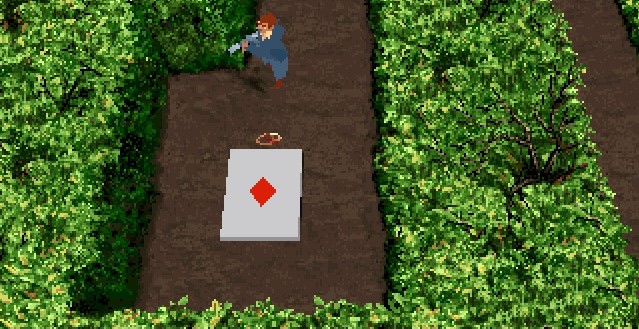
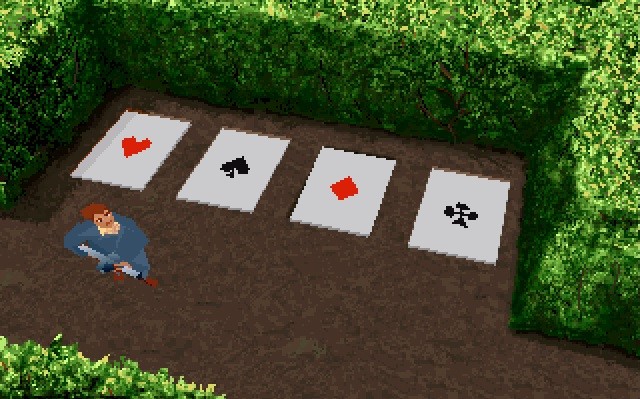
Alone in the Dark 2 is a sequel to the 1992 game and keeps some of the same ideas but also changes a few things. It still has fixed camera angles, pre-rendered backgrounds, and polygon characters. You still move around, search for items, and solve puzzles, but the focus is more on action compared to the first game.
Gameplay is mostly about going through different areas, finding what you need, and solving puzzles to move forward. Combat shows up more often this time, and aiming feels more direct without any help systems. The pacing keeps changing between slower exploration parts and more combat-heavy sections, which makes it feel a bit uneven.
Overall, Alone in the Dark 2 adds more action while keeping the same basic structure. It doesn’t always feel smooth in how it mixes things, but it shows the series experimenting with new ideas. The controls and visuals feel old now, but the core gameplay is still the same.
As a teenager, this was one of the best games I’ve ever played, back in the 1990s. Playing it again in 2026, with a package that simply works out of the box, it’s still a great game (a bit on the silly side during Grace’s parts — but that’s part of the charm, I guess).
The puzzles are very nice, and even the tank controls are still OK-ish to this day. As we can save and reload at any second, the game ends up being quite easy, with the challenge coming mainly from the puzzles. I simply love the environments — the mansion, the cliffs, the labyrinth, and so on.
The climax is a bit anticlimactic, but it’s still one of the greatest games of all time (for me at least, of course).

Alone in the Dark 2, developed by Infogrames and now published on Steam by THQ Nordic, is a sequel that both builds upon and diverges from the blueprint established by the original 1992 title. Released in 1993, it arrived at a time when the concept of “survival horror” was still being defined, and rather than simply refining the oppressive, Lovecraftian atmosphere of its predecessor, the sequel takes a noticeably different direction. While it retains many structural elements of the first game—fixed camera angles, polygonal characters over pre-rendered backgrounds, puzzle-solving, and limited resources—it shifts the tone toward pulp adventure and action-heavy encounters, creating a more eclectic and at times uneven experience.
The story once again centers on Edward Carnby, the supernatural investigator introduced in the first game. This time, the narrative revolves around the kidnapping of a young girl named Grace Saunders, who is being held in a mansion controlled by a gang of criminals entangled with occult pirate lore. The premise blends gangster fiction with supernatural horror, an unusual combination that gives the game a distinct identity. Rather than confining itself to the claustrophobic dread of a haunted mansion alone, the sequel introduces mobsters wielding firearms alongside spectral threats, creating a hybrid atmosphere that oscillates between horror and action-adventure pulp. This tonal mixture is bold but divisive, as the heightened spectacle sometimes undermines the oppressive fear that defined the original.
Gameplay maintains the foundational mechanics of the series, including tank-style movement and fixed cinematic camera angles that shape how players perceive each environment. Exploration remains central, requiring players to navigate intricately designed interiors, locate keys and useful items, and solve environmental puzzles to advance. However, combat is far more prominent in this installment. Where the original often encouraged evasion and careful conservation of resources, Alone in the Dark 2 introduces frequent shootouts against gangsters and supernatural enemies. Firearms become essential tools rather than last resorts, and players must manually aim without modern conveniences such as auto-targeting. This increases tension but can also lead to frustration due to the imprecision of early 3D controls.
One of the most distinctive structural choices in the game is the mid-story perspective shift. After controlling Carnby for a significant portion of the adventure, players eventually take on the role of Grace herself. Her sections alter the dynamic, as she is less equipped for direct confrontation and must rely more on evasion and puzzle-solving. This design decision introduces variety and emphasizes vulnerability, but it also contributes to the game’s tonal inconsistency. The transition from action-heavy segments to more cautious, stealth-like gameplay can feel abrupt, reflecting the experimental nature of early 1990s design rather than a tightly unified vision.
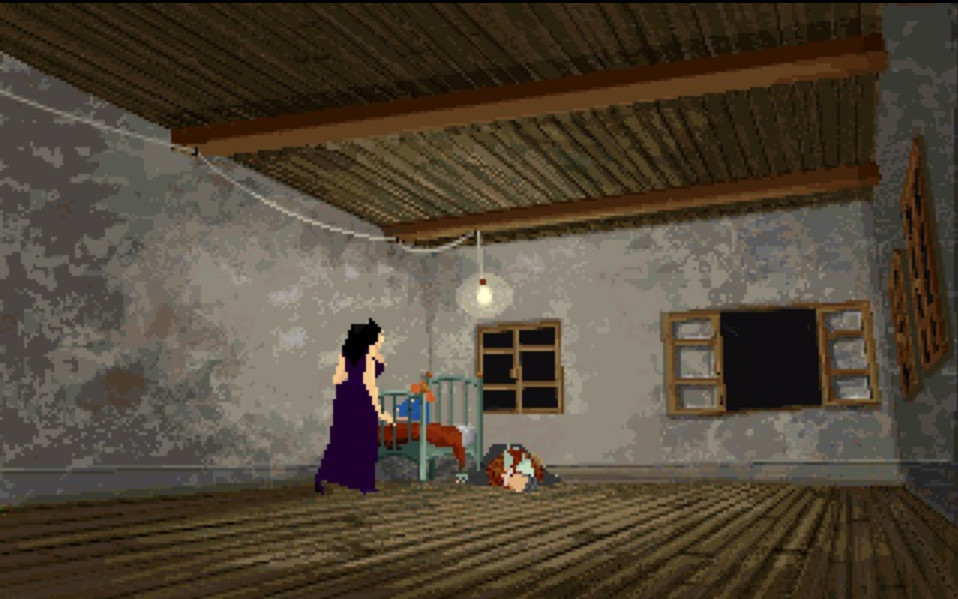
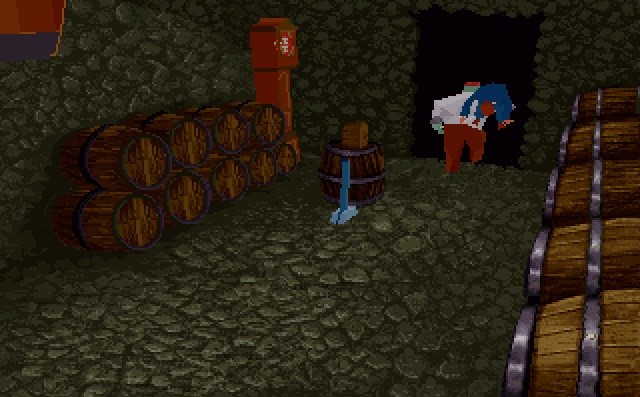
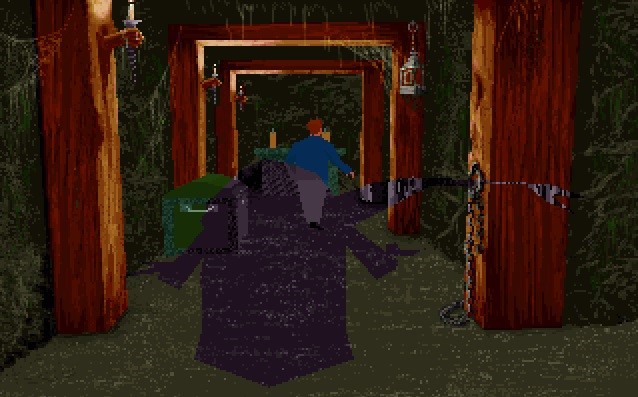
Visually, Alone in the Dark 2 builds on the technological foundation of its predecessor. The pre-rendered backgrounds provide atmospheric detail, while the polygonal character models, though primitive by modern standards, were advanced for their time. The environments are varied, ranging from dimly lit hallways and ornate rooms to more open and adventurous settings. However, compared to the stark, gothic cohesion of the first game, the sequel’s aesthetic feels less focused. The mixture of pirate-themed occultism and gangster elements creates a colorful but sometimes jarring visual identity. Sound design contributes effectively to the mood, with ambient effects and sudden audio cues reinforcing tension during exploration and combat.
The pacing is one of the sequel’s most debated aspects. Frequent enemy encounters disrupt the slower investigative rhythm that made the original so tense. While the increased action broadens the game’s appeal and injects bursts of intensity, it also reduces the sense of isolation and dread. Instead of fearing what might lurk behind the next door, players are often preparing for the next firefight. For some, this evolution represents a natural progression toward a more dynamic survival horror formula. For others, it dilutes the atmosphere that made the series groundbreaking in the first place.
Despite its inconsistencies, Alone in the Dark 2 remains an important historical artifact in the development of horror games. It demonstrates how early developers were experimenting with genre boundaries, unsure whether survival horror should lean more toward adventure, action, or pure suspense. Its willingness to incorporate varied tones, shifting perspectives, and more aggressive combat encounters shows ambition, even if not all elements integrate seamlessly. The game’s imperfections are reflective of an era when 3D design conventions were still evolving, and experimentation often came at the cost of polish.
For modern players accessing it through Steam, Alone in the Dark 2 offers a glimpse into the formative years of survival horror. Its dated controls and presentation require patience, but beneath those limitations lies a curious and ambitious sequel that dared to move in a different direction. While it may not achieve the cohesive atmosphere or enduring legacy of the original, it remains a noteworthy and sometimes fascinating chapter in the franchise’s early history. Its blend of pulp adventure and supernatural menace ensures that, even decades later, it retains a distinct and memorable identity within the genre’s evolution.
Rating: 6/10
Cool sequel
Games similar to Alone in the Dark 2


Additional Information
| Developer | Infogrames |
| Platforms | Windows |
| Age rating | None |
| Release date | December 13, 2016 |
| User reviews | 72% positive (150) |