
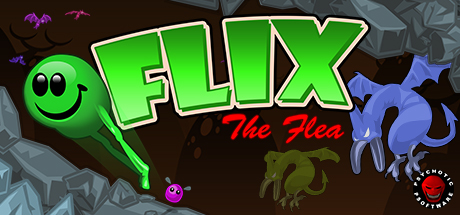
Developer: Psychotic Psoftware
Publisher: Psychotic Psoftware
Flix The Flea price history on Steam
Prices in the US Steam store, USD.
- Price now
- $2.99
- Lowest recorded
- $2.99
- Highest recorded
- $2.99
- Price changes
- 0
The price has not changed since SteamStat started recording it on May 8, 2024.
At a glance
4 Steam reviews rate it “Not enough reviews” (50% positive). Released on June 1, 2015 by Psychotic Psoftware. Current price: $2.99.
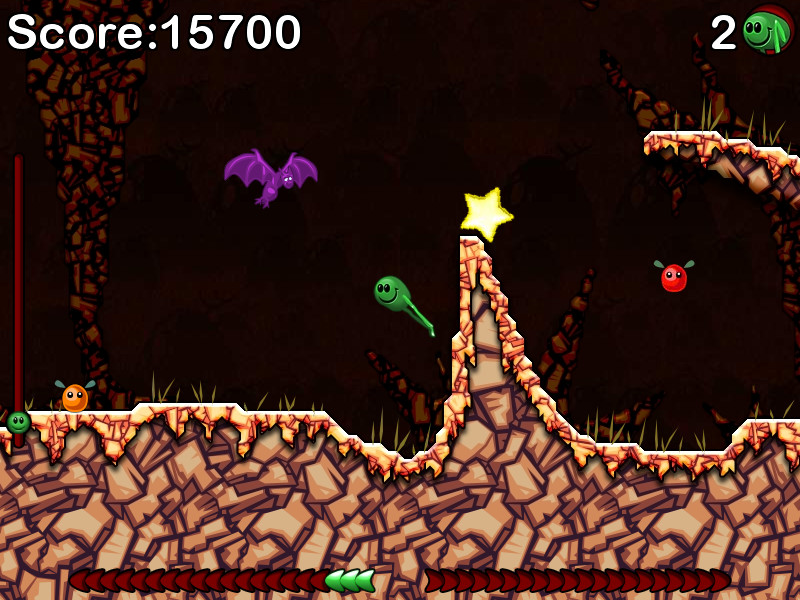
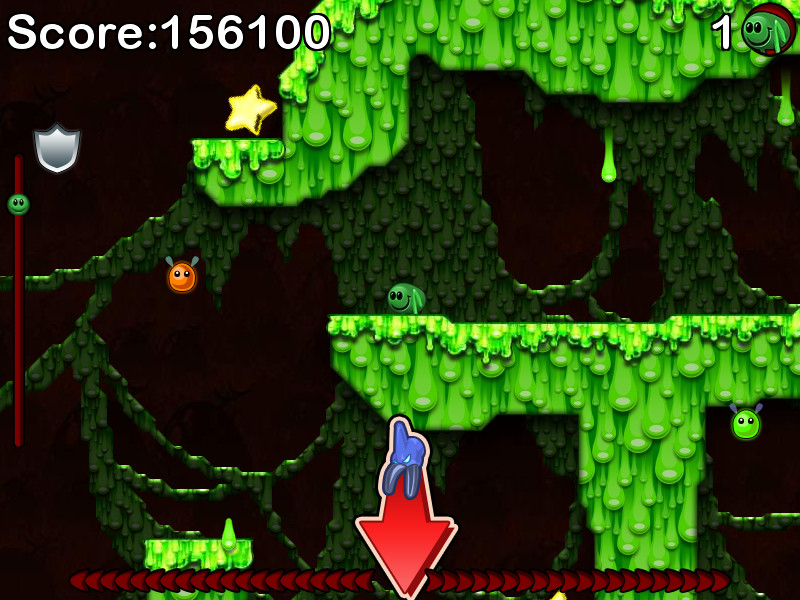
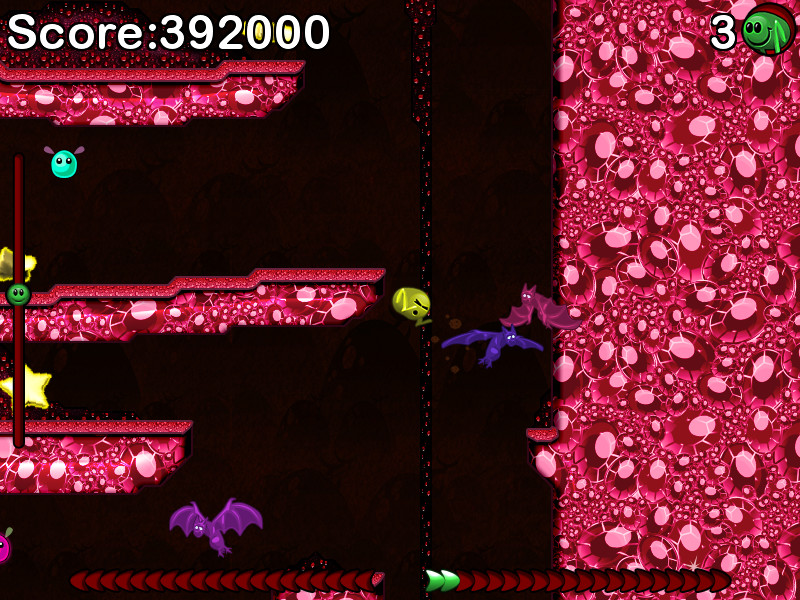
Description
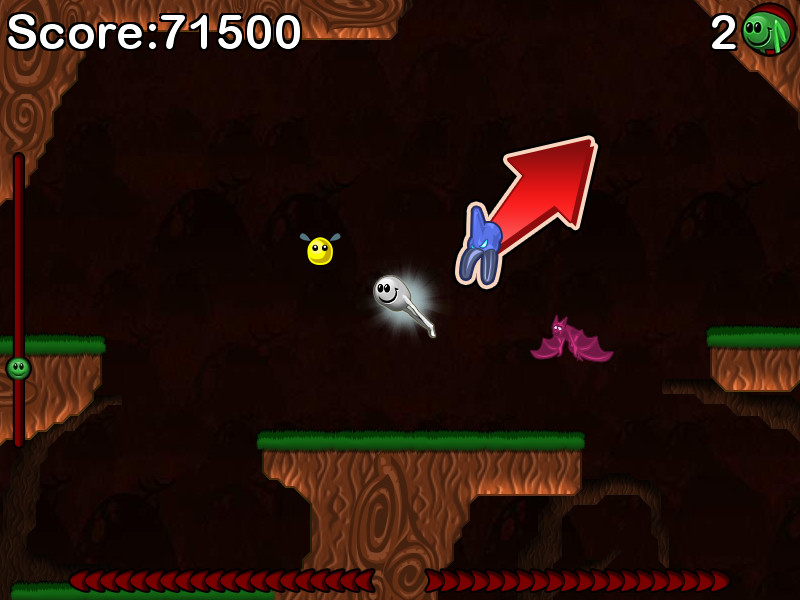
Inspired by the legendary 1983 ZX Spectrum classic Bugaboo (La Pulga), Flix the Flea is a modern reimagining of one of gaming’s earliest precision jumping challenges.
Created with the blessing of Bugaboo’s original creator, Flix the Flea keeps the spirit of the classic alive while bringing smooth scrolling, modern presentation and new levels to the experience.
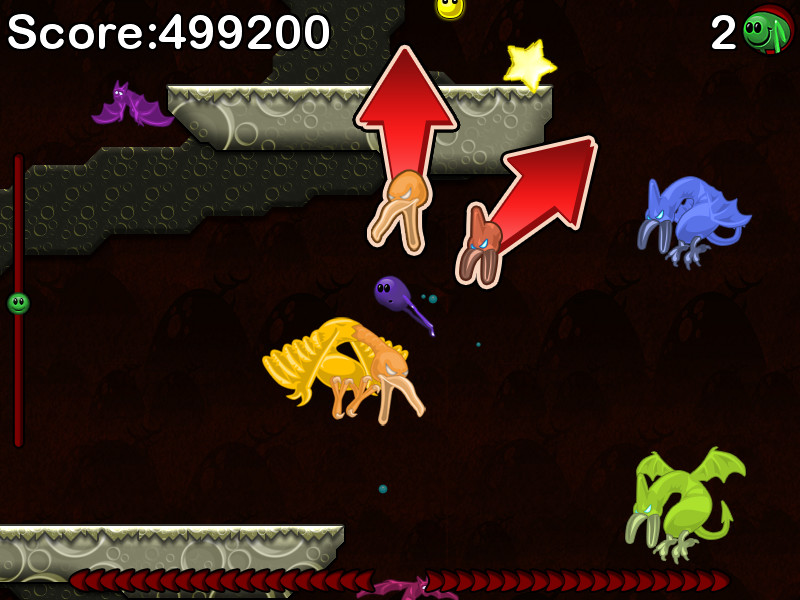
Simple to learn but tricky to master, Flix’s unique jump mechanics challenge players to carefully control momentum to escape dangerous caverns filled with hazards. Every jump matters — and a single mistake can send you tumbling back down.
With its pick-up-and-play design and arcade-style challenge, Flix the Flea captures the feel of classic skill-based games where practice, patience and precision are the keys to success.
Features
• Inspired by the ZX Spectrum classic Bugaboo (La Pulga)
• Precision jumping gameplay built around momentum mechanics
• 10 challenging levels to master
• Smooth scrolling and modern presentation
• Fast pick-up-and-play arcade gameplay
• Designed for quick runs and repeated attempts
Supported languages: english
Something wrong on this page? Let us know
Description and screenshots are provided by the publisher via the Steam Store page.
System Requirements
Windows
- OS *: Windows Vista
- Processor: 2.40GHz
- Memory: 4 GB RAM
- Graphics: Standard
- Storage: 80 MB available space
- Sound Card: Standard
User Reviews

Flix The Flea, developed and published by Psychotic Psoftware, is a tightly focused precision platformer that embraces the design philosophy of early arcade-era games. Rather than layering on modern mechanics or expansive systems, it builds its entire experience around a single core idea: mastering the physics of jumping. Inspired by classic titles from the early 1980s, it deliberately strips platforming down to its essentials, resulting in a game that feels both refreshingly simple and surprisingly demanding.
The defining mechanic is Flix’s jump. Movement is not fluid in the way players might expect from contemporary platformers; instead, every leap requires careful setup. Direction, angle, and momentum must be considered before committing, as once Flix is airborne, there is little room for correction. This transforms movement into a series of calculated decisions rather than reactive inputs. Each jump becomes a miniature challenge, forcing players to think ahead and anticipate outcomes. The result is a gameplay loop that feels more like solving a sequence of physical puzzles than navigating a traditional platforming environment.
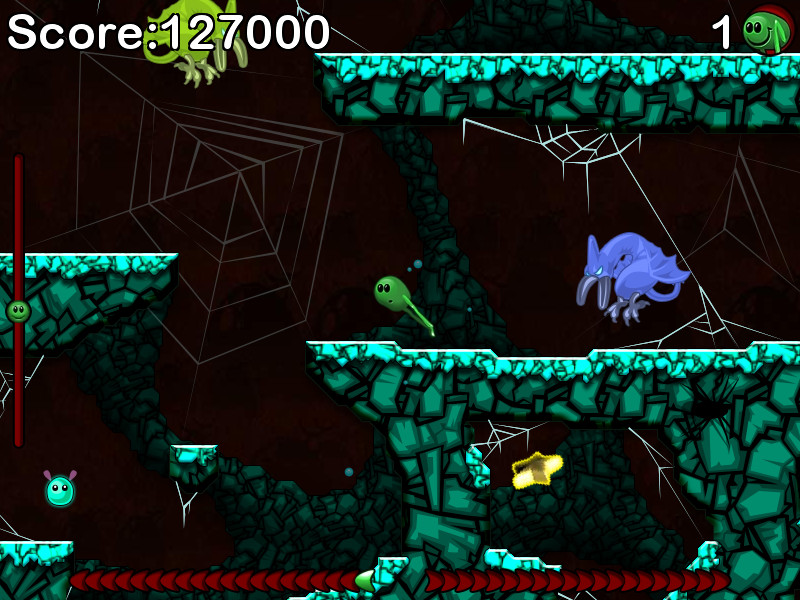
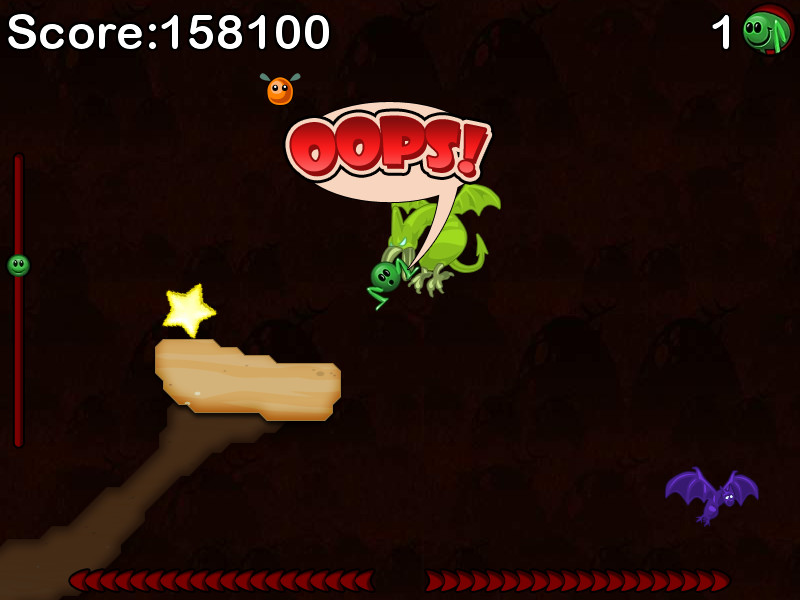
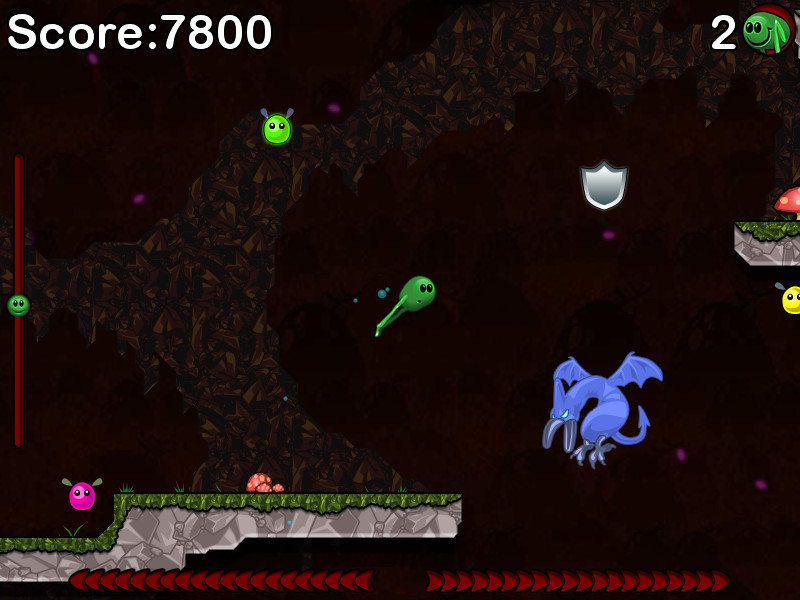
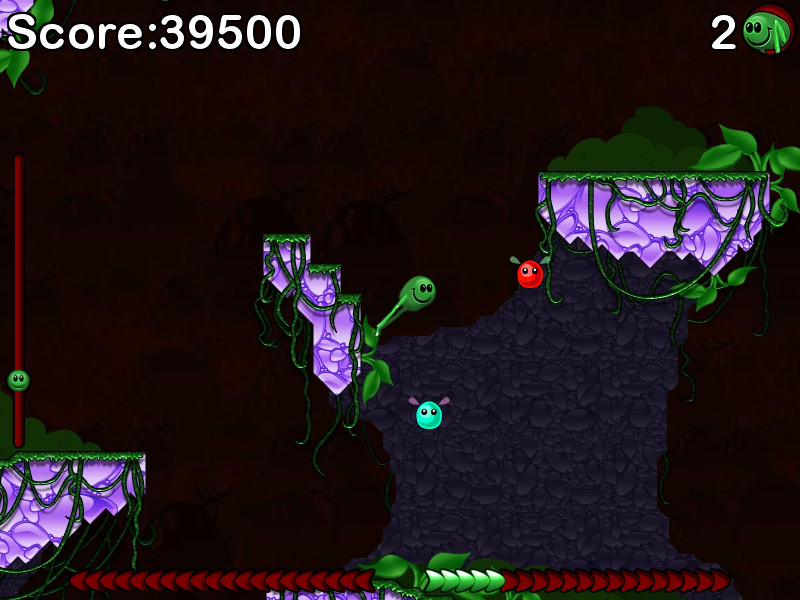
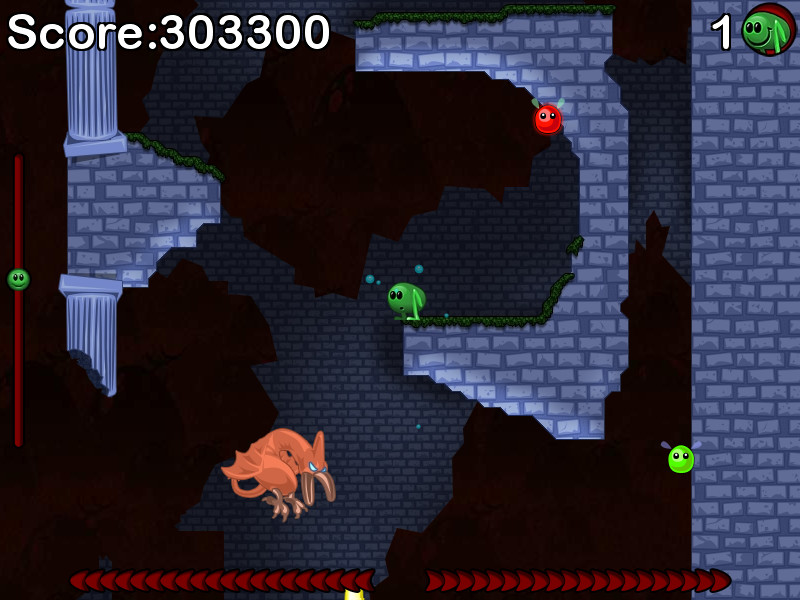
Level design reinforces this approach. Stages are vertically oriented and structured around climbing through narrow spaces filled with hazards, enemies, and precarious platforms. The objective is straightforward—reach the top—but the path is rarely forgiving. A single mistake can send you falling back down, sometimes undoing significant progress. This constant risk creates a strong sense of tension, where even small advancements feel meaningful. The game encourages persistence, rewarding players who are willing to learn from repeated failures and gradually refine their understanding of its mechanics.
What stands out is how committed the game is to its minimalist design. There are no additional systems to soften the experience—no upgrades, no alternate abilities, and very little in the way of external progression. Everything revolves around player skill and familiarity with the physics. This gives the game a clear identity, but it also limits its variety. Once the core mechanic is understood, the experience evolves primarily through increasingly demanding level layouts rather than new ideas or features.
Visually, Flix The Flea adopts a bright, retro-inspired aesthetic that complements its design roots. The environments are simple but effective, with clear visual cues that make it easy to distinguish platforms and hazards. Character animation is modest but expressive enough to give Flix a bit of personality. The overall presentation prioritizes clarity over detail, which works well for a game that depends so heavily on precision. Audio design follows a similar philosophy, providing straightforward feedback without drawing too much attention to itself.
The difficulty is one of the game’s most defining traits, and it will likely determine how players respond to it. The reliance on precise timing and positioning can make early progress feel slow, and the lack of assistance or accessibility features means that improvement comes almost entirely through repetition. For players who enjoy mastering challenging mechanics, this can be highly satisfying. For others, the same design may feel overly punishing, particularly when progress is lost due to small errors.
Another limitation is the game’s relatively modest scope. While the levels are well-designed, there are not many of them, and the experience can feel brief once the mechanics are mastered. Replay value exists primarily in the form of refining performance and achieving more efficient runs, rather than discovering new content or systems. This makes the game feel more like a concentrated challenge than a long-term experience.
Despite these constraints, Flix The Flea succeeds in delivering a cohesive and focused experience. It captures the essence of a very specific style of platforming and presents it without compromise. There is a clear sense of intent behind its design, and it follows through on that intent consistently, even if it means appealing to a narrower audience.
Ultimately, Flix The Flea is a game that prioritizes precision, patience, and mastery over accessibility and variety. It offers a distinct take on platforming that stands apart from more modern interpretations, providing a rewarding challenge for those willing to engage with its mechanics. While its simplicity and difficulty may limit its broader appeal, it remains a solid example of how a single well-executed idea can carry an entire experience.
Rating: 6/10
Let's be honest, who doesn't want to play as a flea?



Additional Information
| Developer | Psychotic Psoftware |
| Publisher | Psychotic Psoftware |
| Platforms | Windows |
| Age rating | None |
| Release date | June 1, 2015 |
| User reviews | 50% positive (4) |