

Developer: Valkeala Software
At a glance
27 Steam reviews rate it “Mostly Positive” (78% positive). Released on November 1, 2023 by Valkeala Software. Current price: $0.79.
Description
Story:
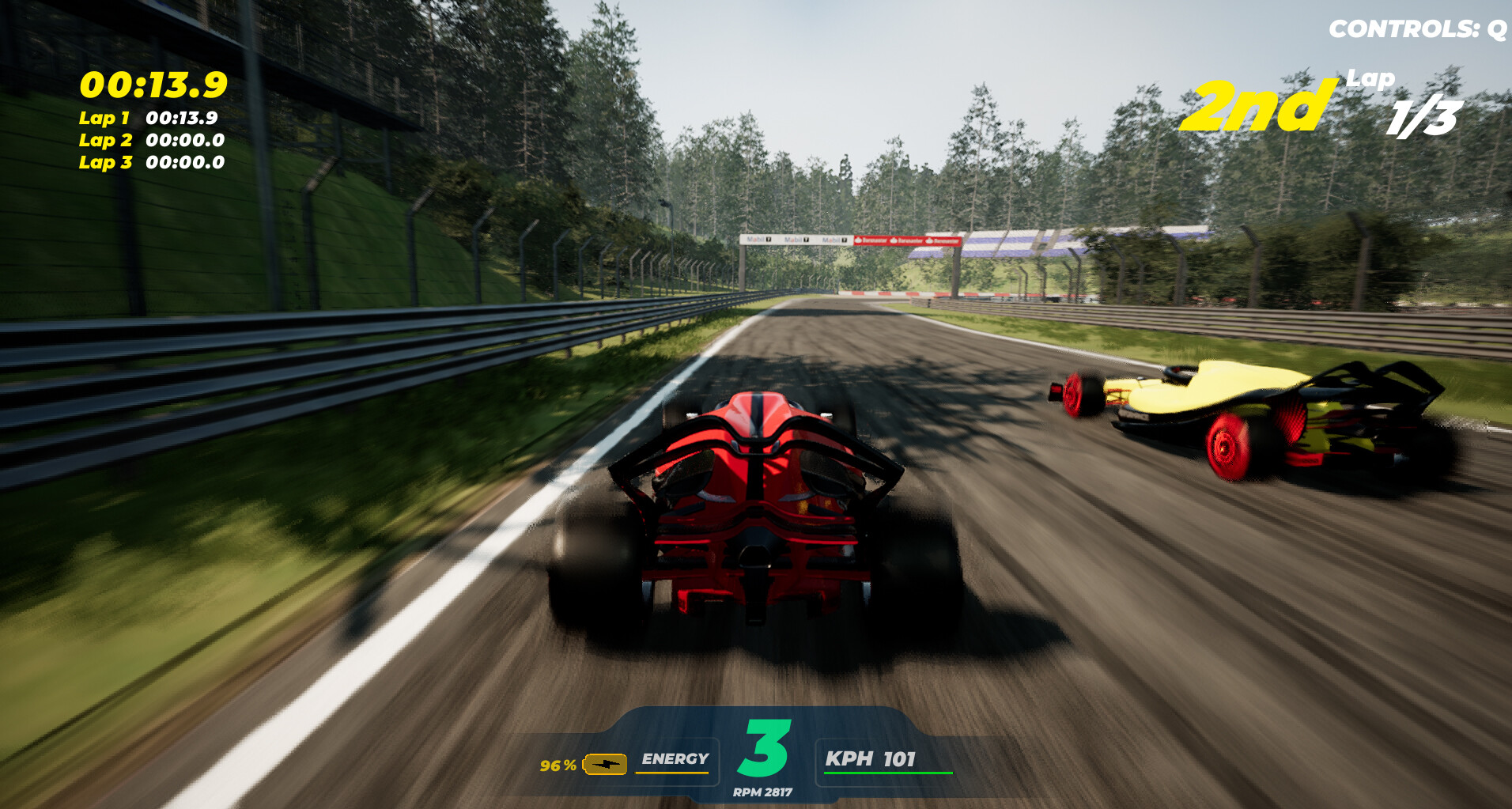
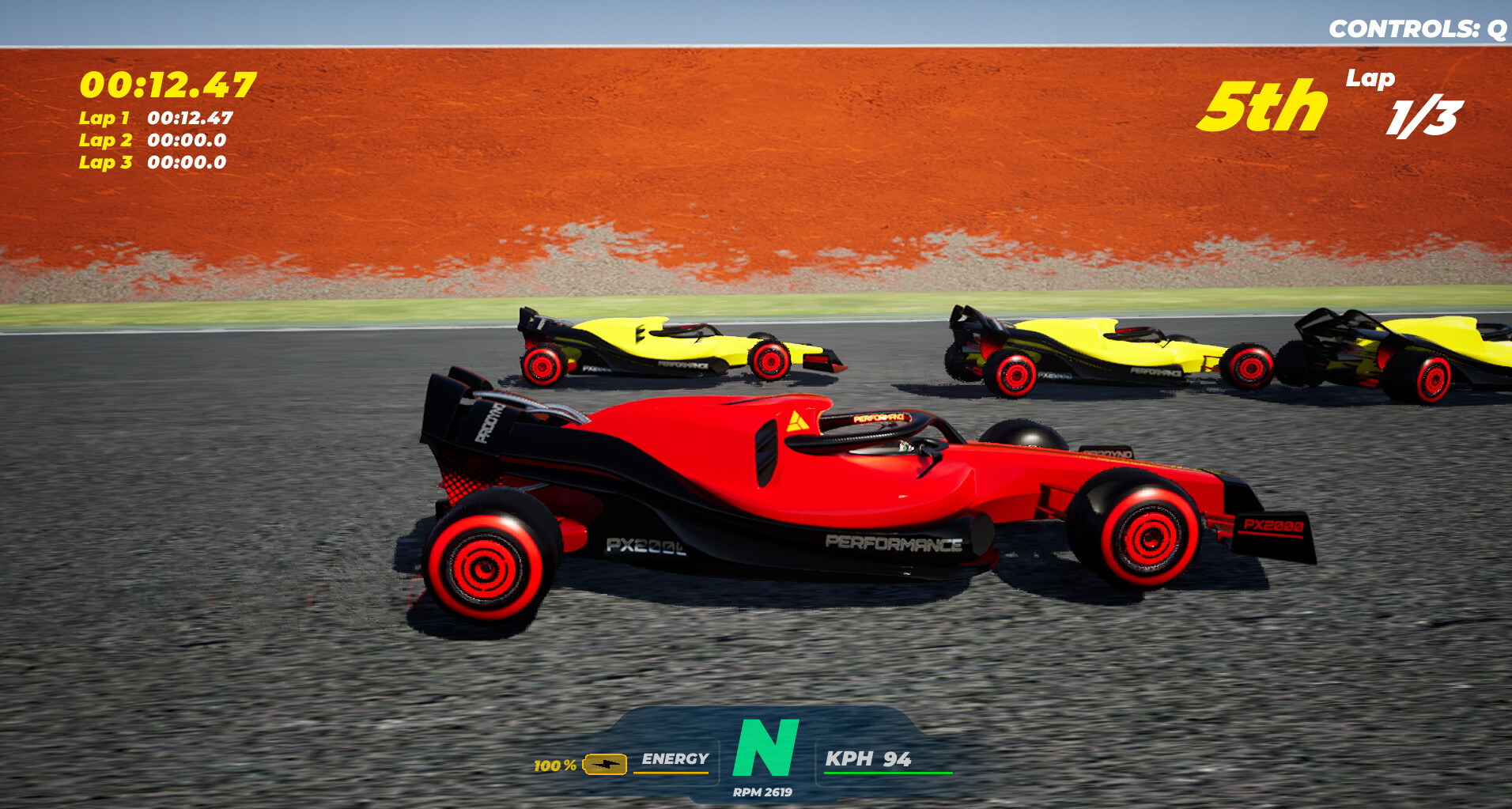
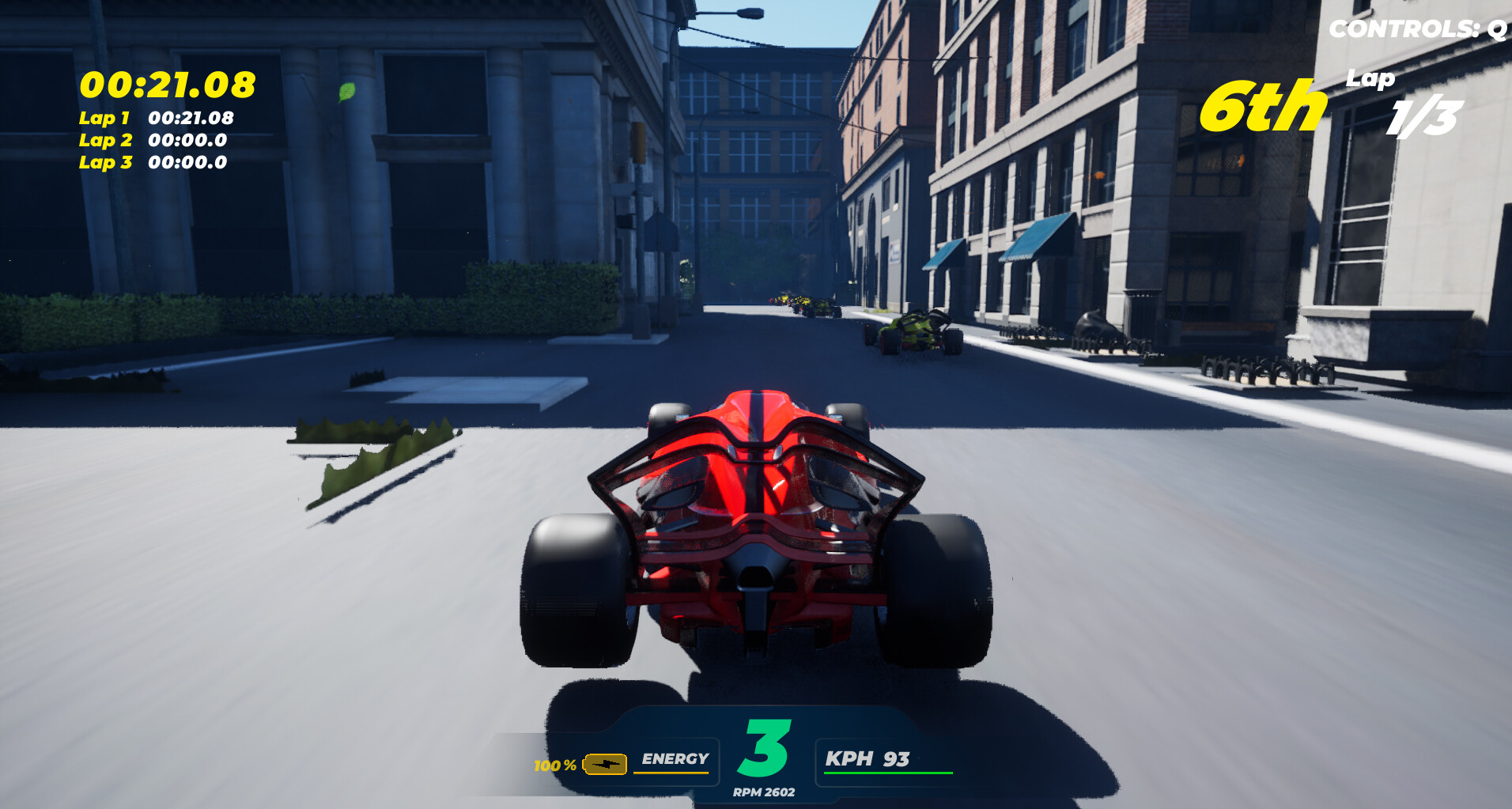
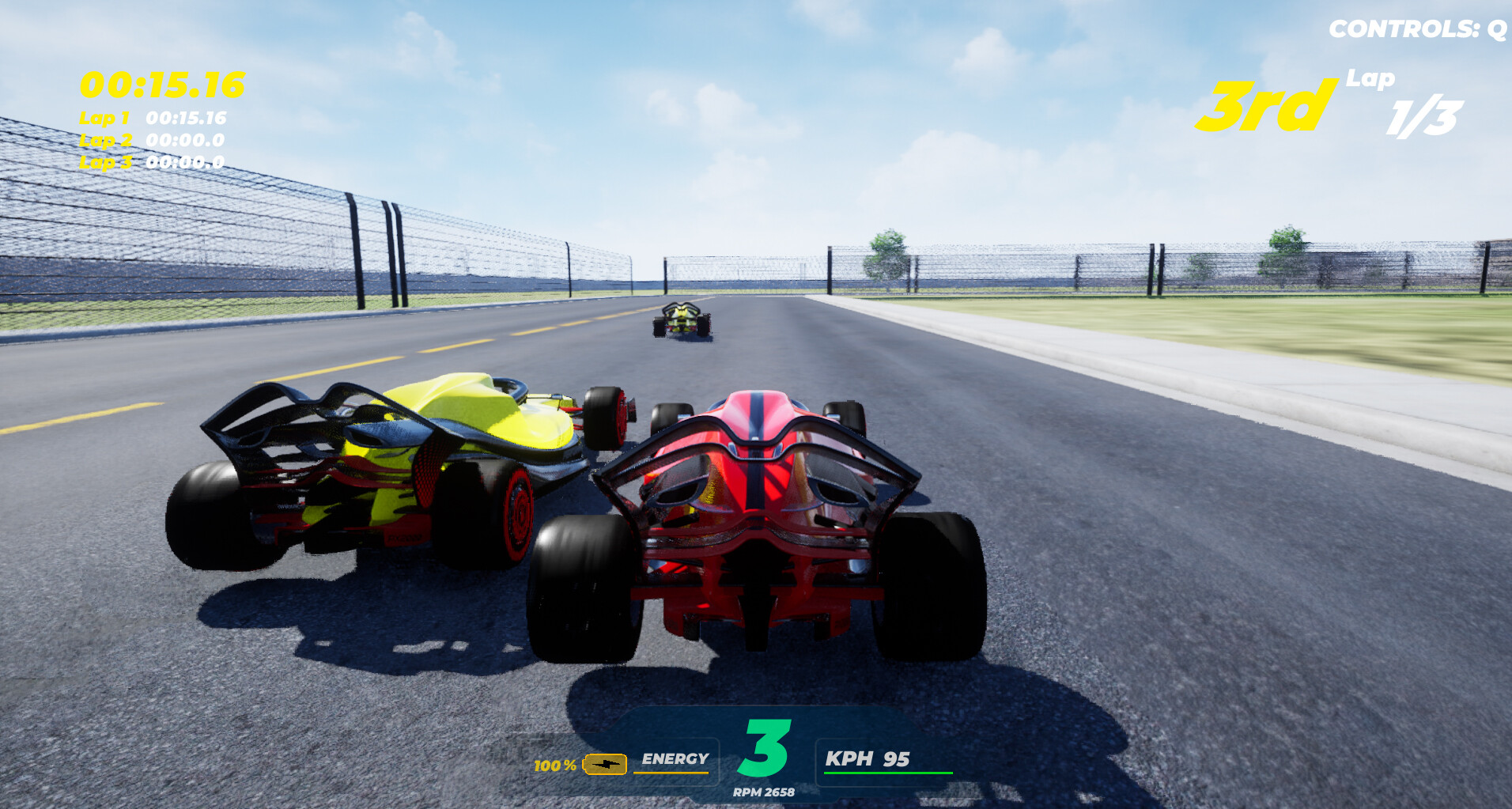
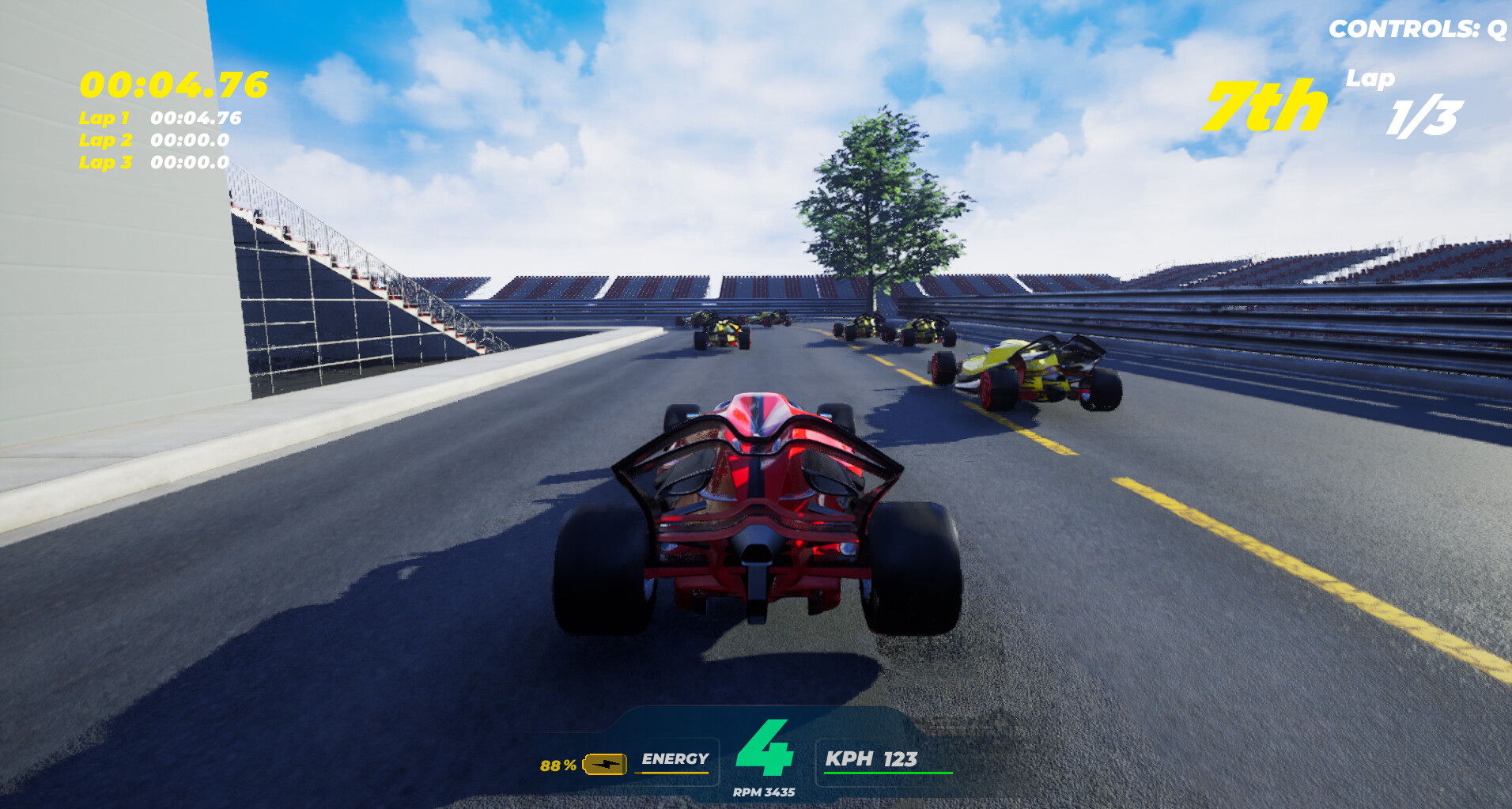
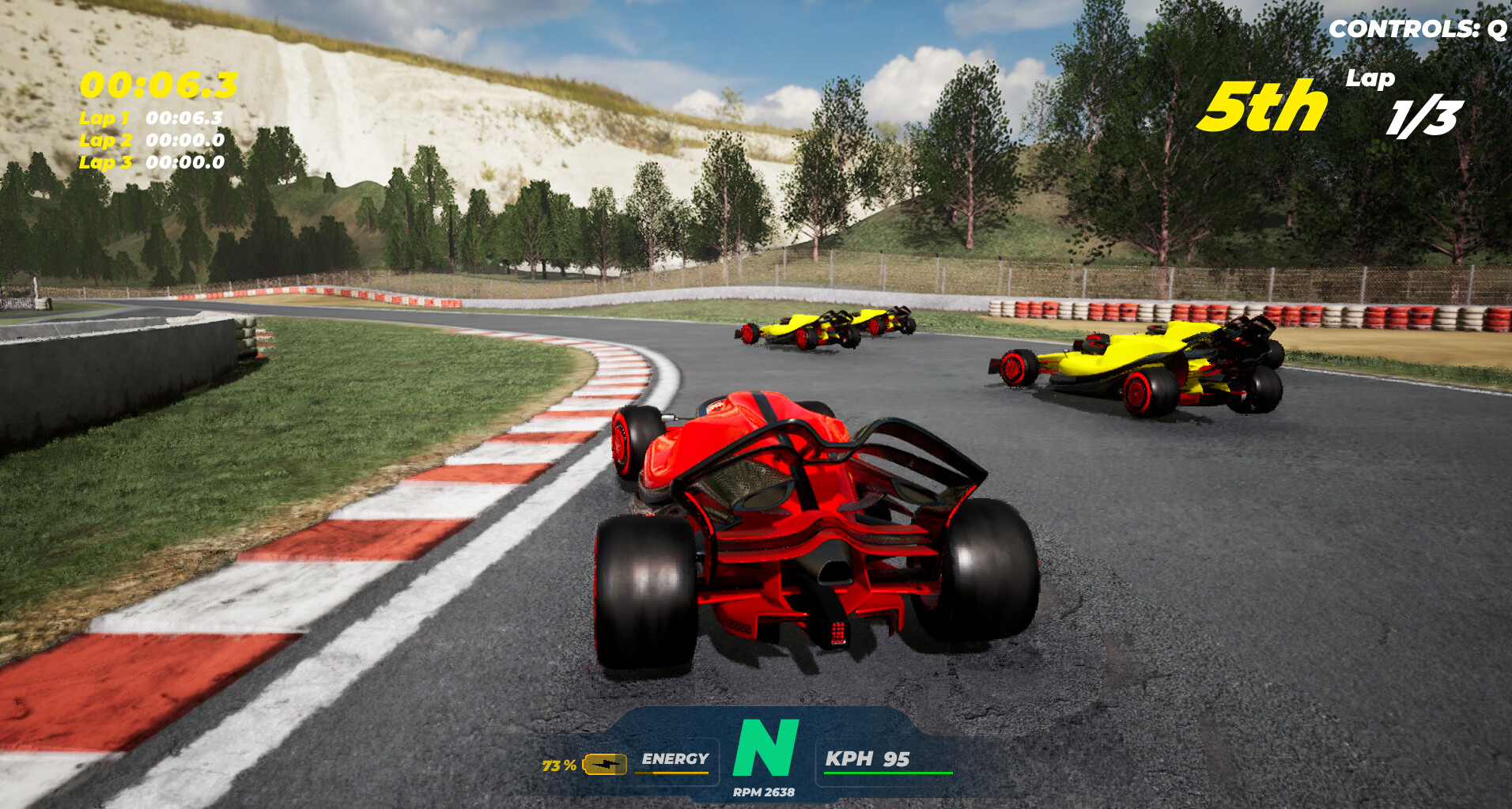
Bemis Wamilton Racing is racing game where player controls Electronic racing cars and player character is Bemis Wamilton. Compete against though opponents in 17 different race tracks. Every track there is 6 AI opponents. Every race is 3 laps races and there is different themed tracks and enviroments.Player racing car is electronic and it has battery which need charge sometime during race, that happens by reducing speed and braking, so you cant hole time drive full speed. on longer straights player need strategy that where he increase battery capacity.
Every track has checkpoints so player cant take shortcuts or then his lap time will not calculate to results. Player has 3 different camera angle which he can change during game. Also game contains test area where player can test his car features and collect steam achievements. Also driving races, gives player achievements
Features:
- 17 race tracks- 3 laps races
- Result list
- Steam achievements
- Ai opponents
- test area to test car handling
- 3 different camera angle
Planned updates:
-More TracksSupported languages: english
Something wrong on this page? Let us know
Description and screenshots are provided by the publisher via the Steam Store page.
System Requirements
Windows
- Requires a 64-bit processor and operating system
- OS *: windows 8
- Processor: i5
- Memory: 2 GB RAM
- Graphics: nvidia 1000 series
- DirectX: Version 9.0
- Storage: 4 GB available space
- Sound Card: Direct x9
- Requires a 64-bit processor and operating system
- OS *: Windows 8.1
- Processor: i5
- Memory: 6 GB RAM
- Graphics: nvidia 2000 series
- DirectX: Version 9.0
- Storage: 4 GB available space
- Sound Card: Direct x9
Mac
Linux
User Reviews

Bemis Wamilton Racing, developed by Valkeala Software and VS Revolution, is a modest arcade-style racing game that leans into simplicity and accessibility while attempting to introduce a small twist through its energy-based driving system. Framed around a fictional racing persona and presented with a slightly playful tone, the game positions itself as a straightforward circuit racer where the focus is less on realism and more on basic competition and experimentation. At first glance, it offers the familiar structure of lap-based racing across multiple tracks, but as you spend more time with it, it becomes clear that the experience is built on a minimal foundation with limited depth.
The gameplay revolves around short races against AI opponents, typically structured in three-lap formats across a selection of themed tracks. The controls are designed to be easy to pick up, with an arcade-style handling model that prioritizes responsiveness over simulation. However, this simplicity is a double-edged sword. While it allows new players to get into races quickly, the driving mechanics can feel imprecise, especially when navigating tighter turns or maintaining consistent control at higher speeds. The lack of refinement in handling means that races often depend more on adapting to the quirks of the controls than on mastering a well-balanced system.
One of the game’s more distinctive features is its energy management mechanic. Instead of allowing players to accelerate indefinitely, the vehicle relies on a battery system that gradually depletes during use. To maintain performance, players must occasionally ease off the throttle or brake to recharge, creating a light layer of strategy within each race. In theory, this adds an extra dimension to the gameplay, encouraging players to think about pacing rather than simply holding down the accelerator. In practice, however, the mechanic feels underdeveloped. While it does influence how races are approached, it rarely leads to meaningful decision-making or varied strategies, and over time it becomes just another routine aspect of driving.
The game includes a number of tracks that vary in visual theme, offering different environments to race through. While this provides some level of variety, the actual design of the tracks tends to follow similar patterns, with limited complexity or standout features. As a result, races can begin to feel repetitive, as the challenges presented by each course do not differ significantly. The AI opponents add a basic level of competition, but their behavior is predictable, and they do not adapt in ways that would keep races consistently engaging over time.
Visually, Bemis Wamilton Racing is functional but lacks polish. The environments and vehicle models are simple, with a clean presentation that supports gameplay but does little to create a memorable aesthetic. Some tracks feel sparse or under-detailed, and inconsistencies in visual quality can be noticeable. Performance is also uneven, with certain areas running more smoothly than others, which can interrupt the flow of races. While the game is clearly designed to run on a wide range of systems, this comes at the cost of visual refinement and technical consistency.
The overall feature set is quite limited, which further reinforces the game’s lightweight nature. There are no extensive customization options, no deep progression systems, and few additional modes to extend the experience beyond standard races. Achievements provide some short-term goals, but they are often unlocked quickly, leaving little incentive to continue playing once the core content has been explored. This lack of long-term engagement is one of the game’s most significant drawbacks, as it limits its ability to hold attention beyond a brief initial period.
Despite these shortcomings, there is a certain appeal in the game’s straightforward approach. It does not attempt to overwhelm players with complexity, and its simple structure makes it easy to jump into a race without a significant time investment. For players looking for a very basic and low-commitment racing experience, it can provide a few moments of casual enjoyment. However, this simplicity also highlights the absence of depth, making it difficult for the game to stand out or maintain interest over time.
Ultimately, Bemis Wamilton Racing feels like an experimental project that introduces a few interesting ideas but does not fully develop them into a cohesive or engaging whole. The core concept of combining arcade racing with energy management has potential, but the execution lacks the refinement and variety needed to make it compelling. While it may offer some short-lived entertainment for players curious about indie racing titles, it struggles to deliver a lasting or memorable experience.
Rating: 5/10

it reminds me a bit of those F1 titles for Nintendo 64, but with modern and improved graphics. there are 16tracks to drive through and the last one “test area”. (a small open world where you can drive tastefully)
https://steamcommunity.com/sharedfiles/filedetails/?id=3686838955
got stuck on a wall a few times but other than that its alr
also maybe include picture of level in level select
love: benis fannydildo
Simple racing for 99 cents. It has over 15 tracks and it's pretty relaxing and it's well worth the one dollar price tag.
sensational, phenomenal, genre defining, generation leading, state of the art those are just the first few adjectives I'd use to describe a racing game with breathtaking speed as benis wamilton racing
tested on a moza r5 with a genuine porsche cup wheel and heusinkveld pedals and the feeling blows arcade toys for midwits like iracing out of the water
Games similar to Bemis Wamilton Racing




Additional Information
| Developer | Valkeala Software |
| Platforms | Windows |
| Age rating | None |
| Release date | November 1, 2023 |
| User reviews | 78% positive (27) |