
Developer: Digital Melody
Publisher: Forever Entertainment S. A.
Grab Lab price history on Steam
Prices in the US Steam store, USD.
- Price now
- $4.99
- Lowest recorded
- $0.79
- Highest recorded
- $4.99
- Price changes
- 16
Recent price changes
| Date | Price | Change |
|---|---|---|
| $4.99 | +532% | |
| $0.79 | -84% | |
| $4.99 | +494% | |
| $0.84 | -83% | |
| $4.99 | +494% | |
| $0.84 | -83% | |
| $4.99 | +494% | |
| $0.84 | -83% |
SteamStat has recorded the price of Grab Lab since April 27, 2024. The lowest is the lowest paid price: free giveaways are not counted.
At a glance
17 Steam reviews rate it “Positive” (82% positive). Released on June 21, 2019 by Digital Melody. Current price: $4.99.
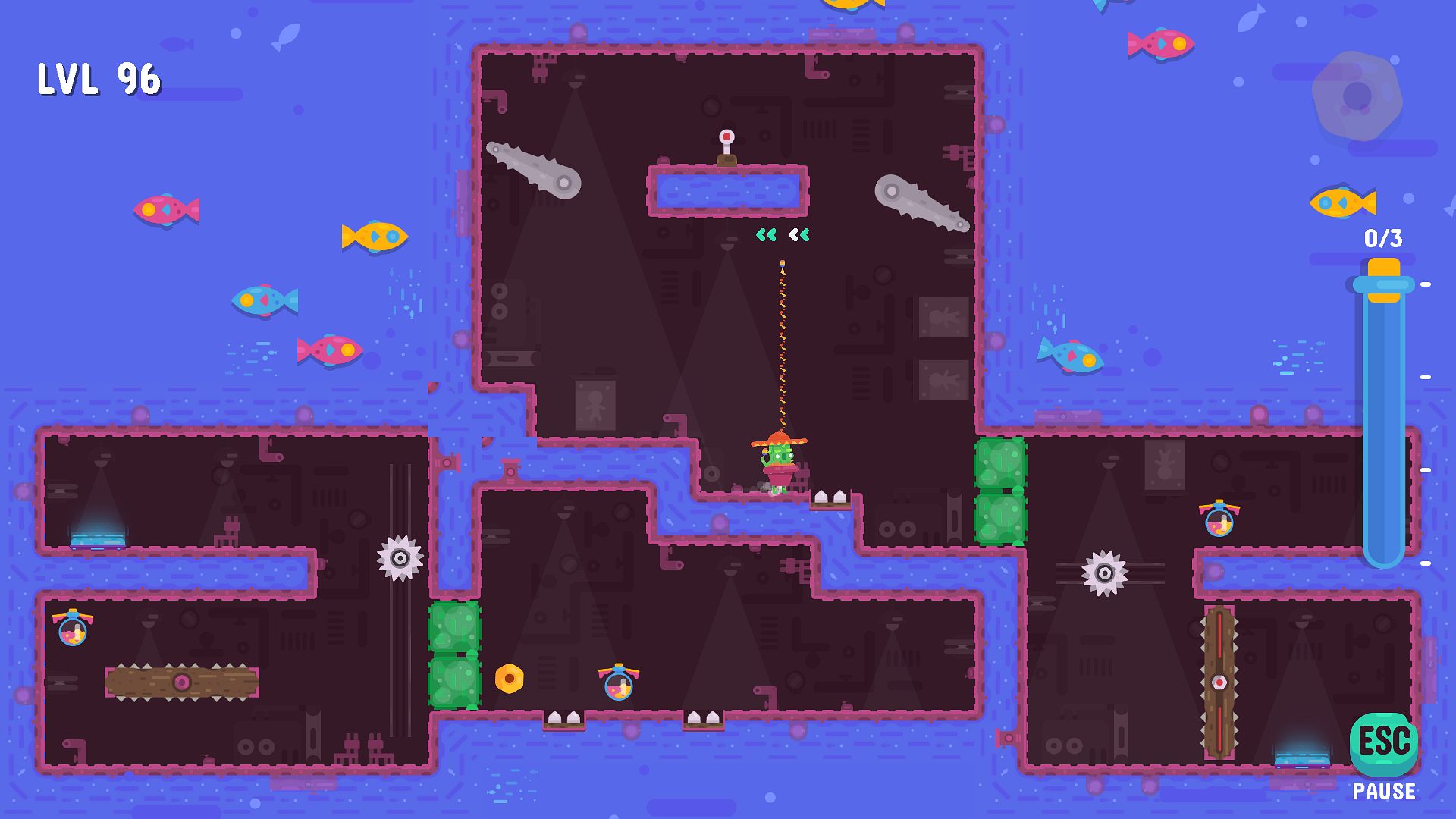
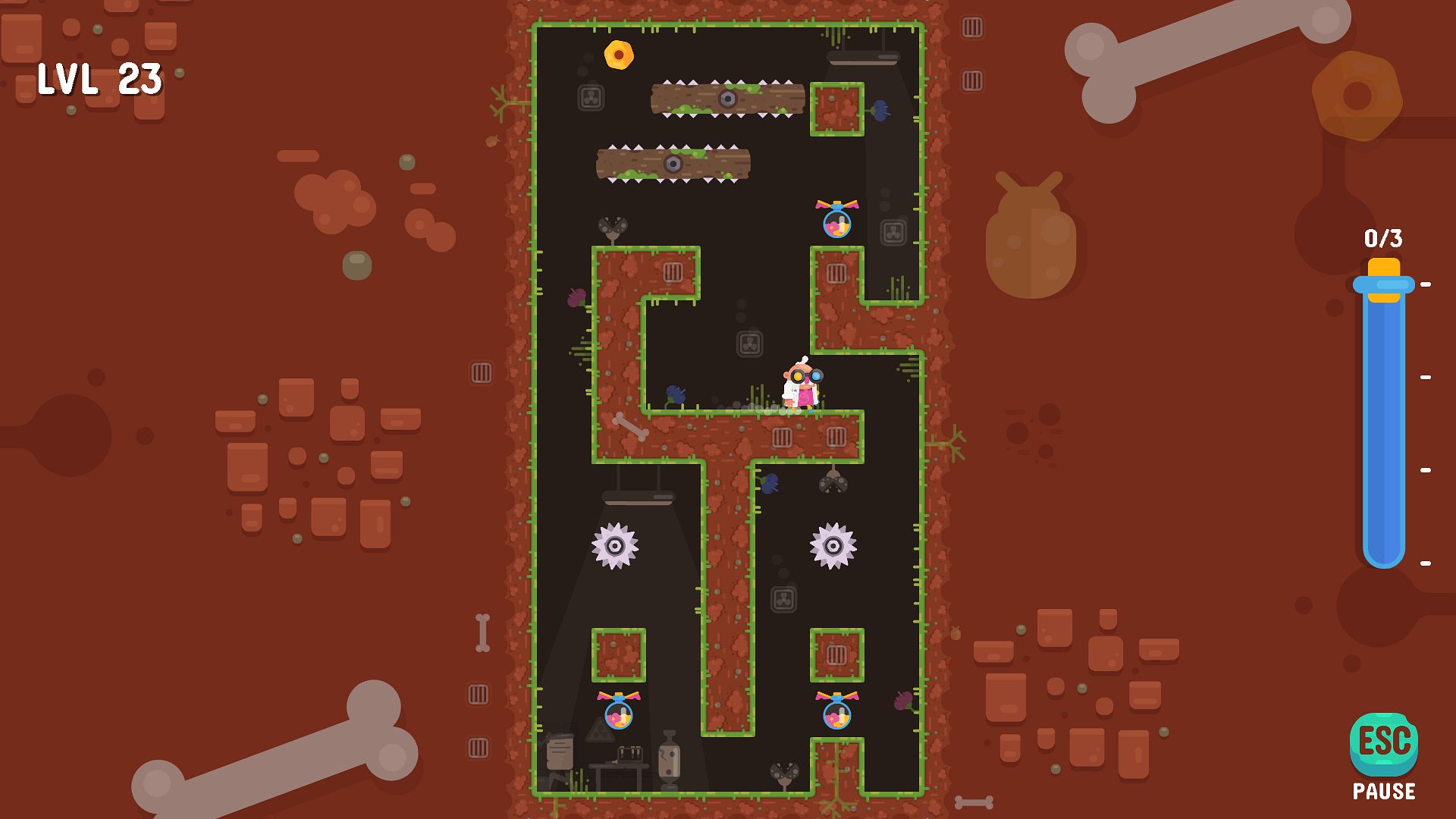
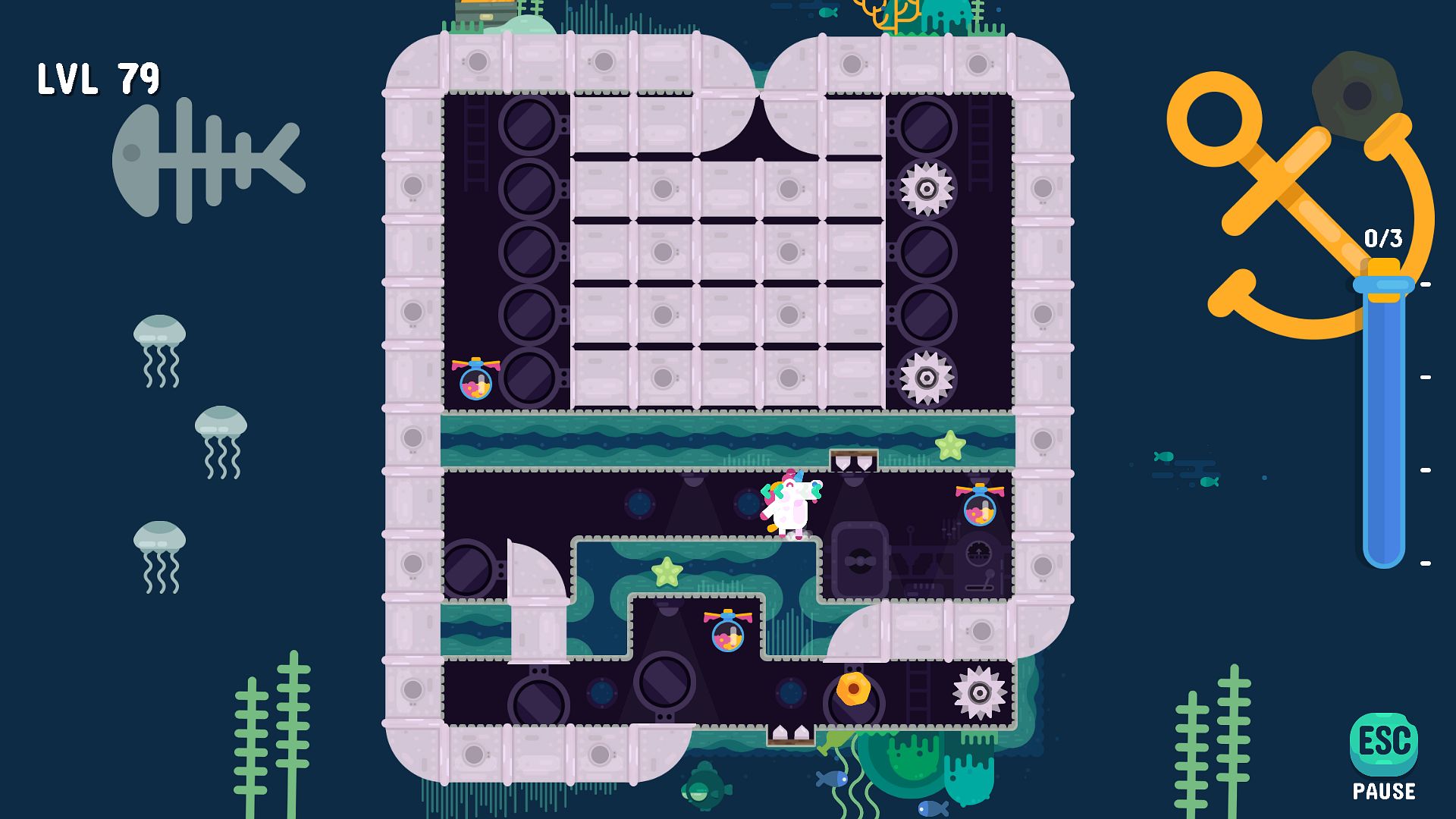
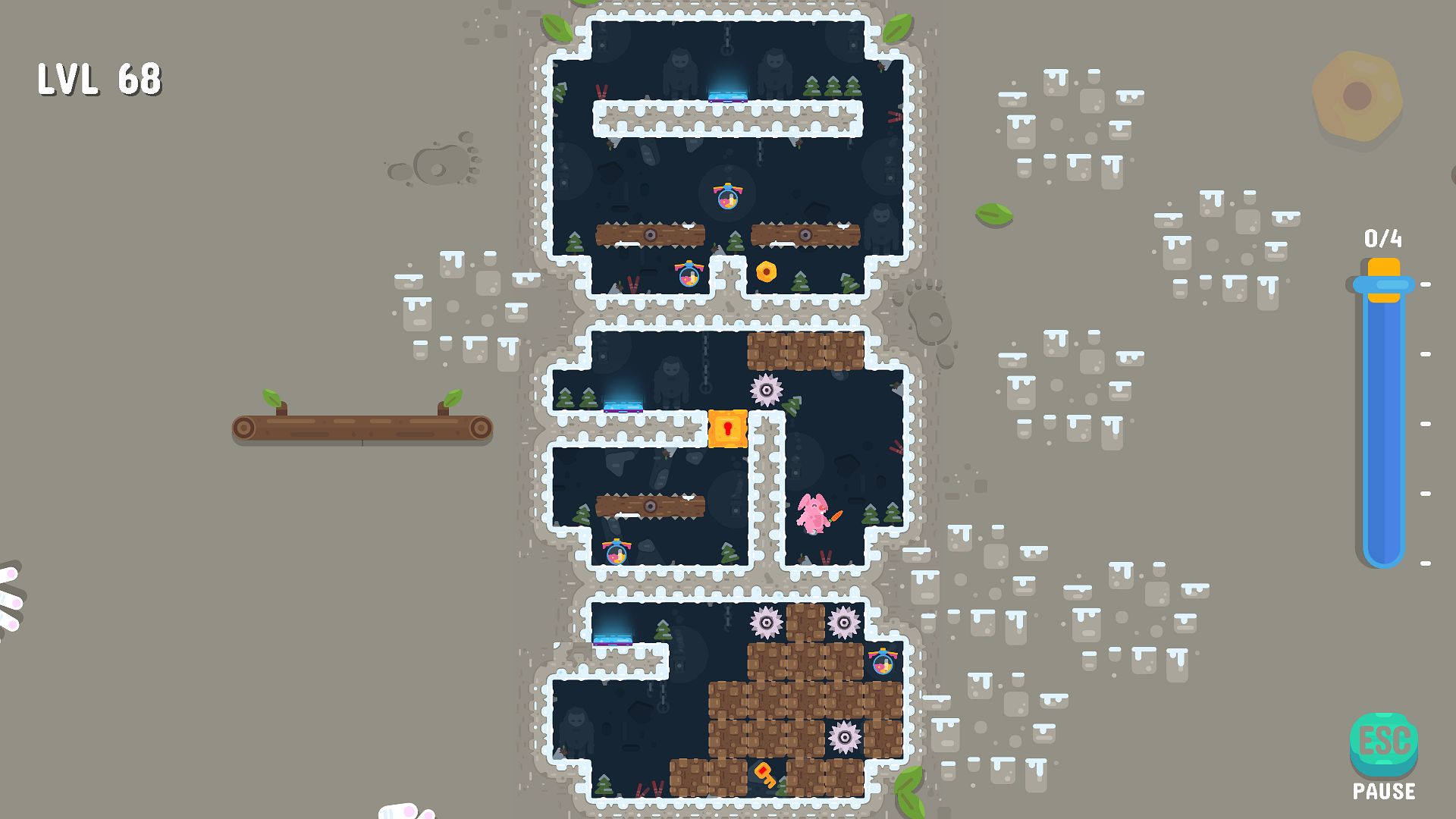
Description
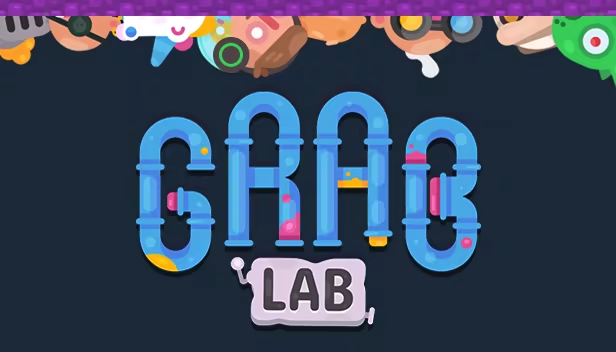
Time travel is a piece of cake - let’s try it with my time machine!
3, 2, 1, and... BOOM! Oops, my time machine exploded!
Something’s wrong with the gravity, something’s wrong with the laboratory and the whole world! Magnetic anomaly, weather anomaly, gravity anomaly - oh, I’ve done a mess... Let’s fix it. Help me collect all vials and parts of my time machine to save the world. Rescue my lost friends - scientists and celebrities!
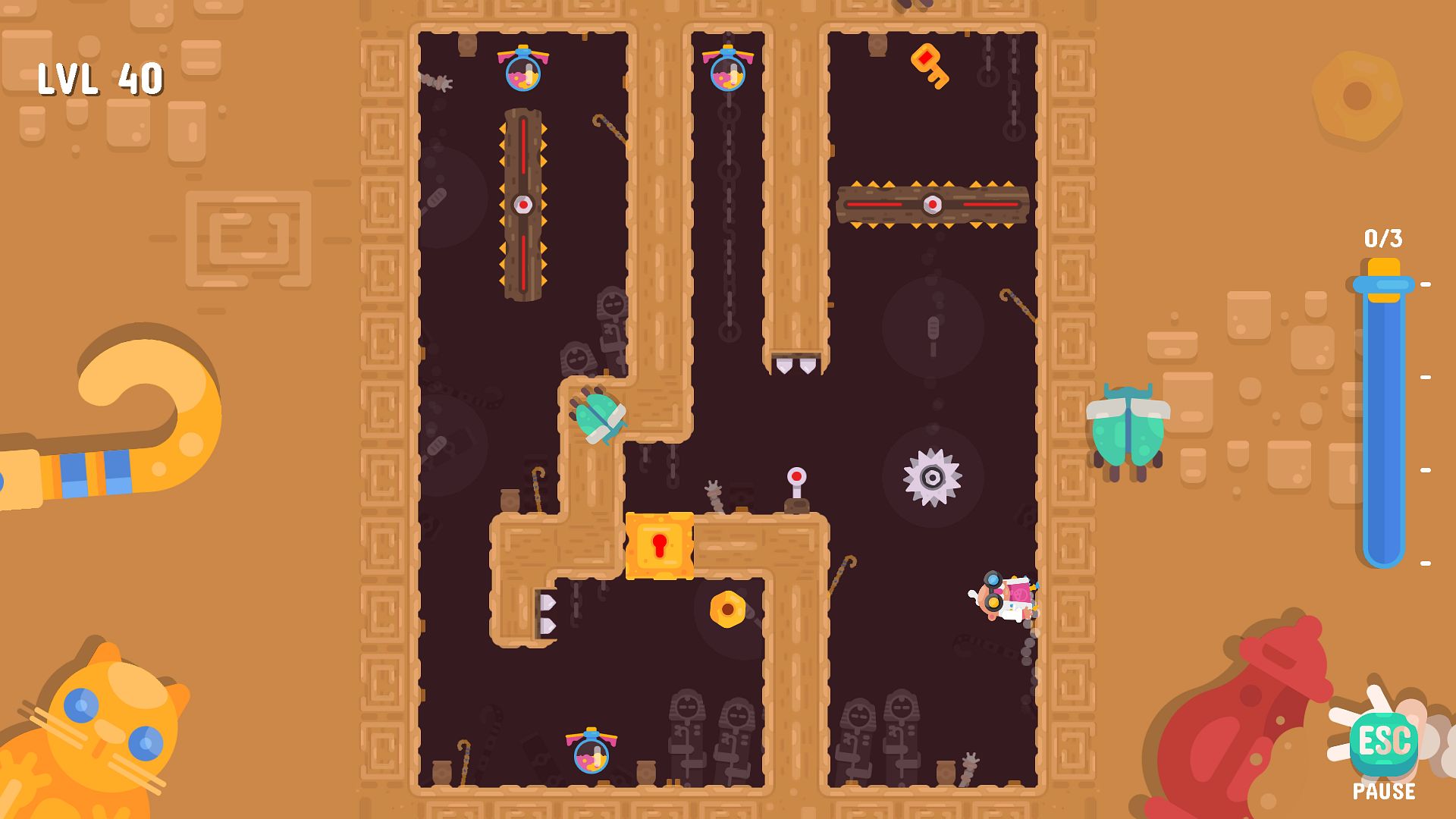
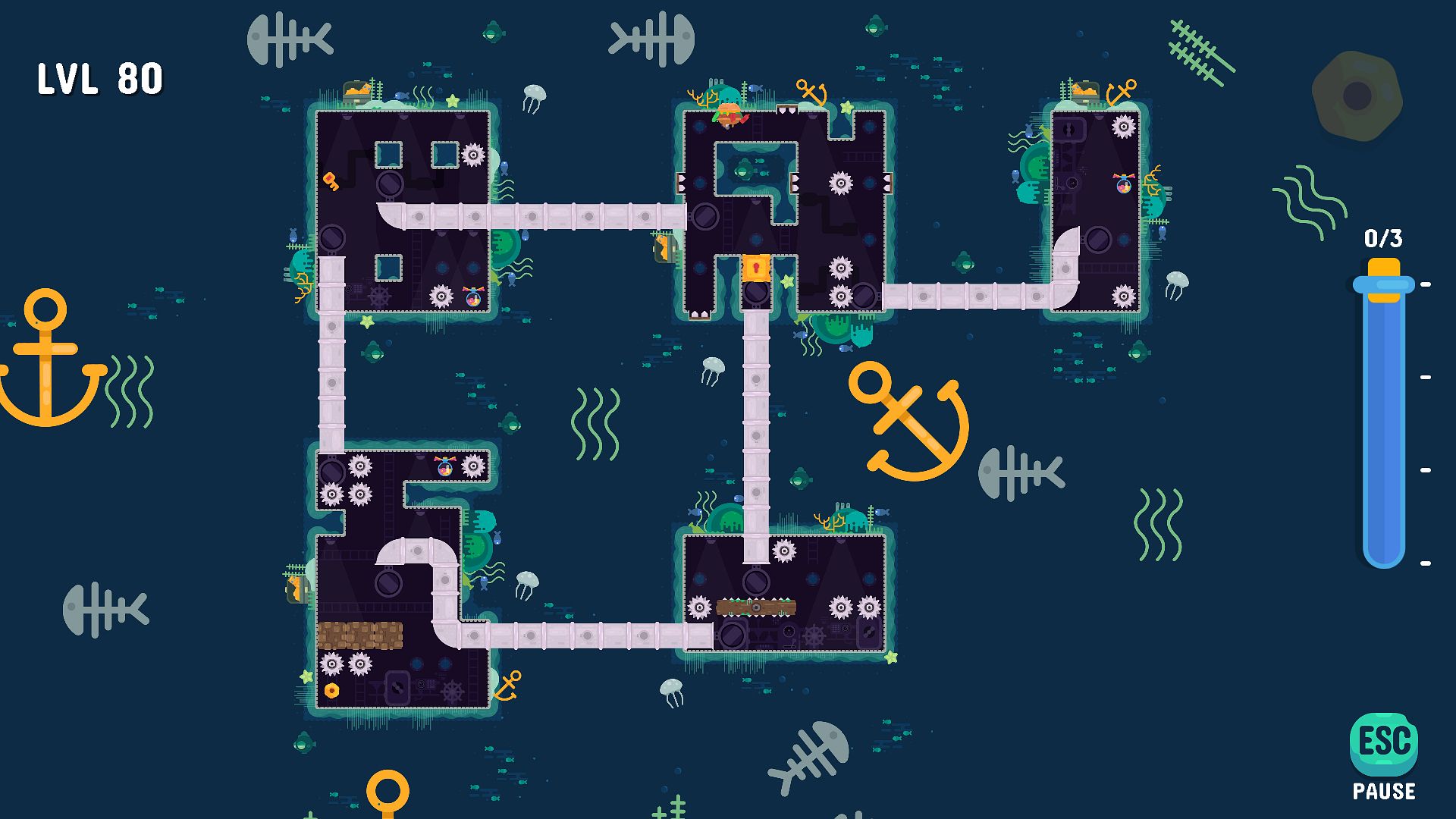
Grab Lab is a crazy mix of puzzle and arcade game. Complete all unique levels - from simple to extremely advanced and demanding. Save the world - fix the gravity and rules of physics. Spikes, saws, lifts, jellies, levers, launchers - it won’t be easy. Grab Lab is getting harder with every level, it’s a demanding puzzle game which requires speed and perfect timing!
Supported languages: english, french, german, spanish - spain, portuguese - portugal, russian, simplified chinese
Something wrong on this page? Let us know
Description and screenshots are provided by the publisher via the Steam Store page.
System Requirements
Windows
- OS *: Windows 7
- Processor: Intel Core i5-4440 (or equivalent)
- Memory: 2 GB RAM
- Graphics: nVidia 320M or higher, or Radeon 7000 or higher, or Intel HD 3000 or higher
- DirectX: Version 9.0
- Storage: 450 MB available space
User Reviews
A great concept for a precision platformer puzzle game with a few challenging levels. I enjoyed my time with the game.

Grab Lab, developed by Digital Melody and published by Forever Entertainment S.A., is a deceptively simple puzzle-platformer built around speed, momentum, and split-second decision-making. At first glance it appears lightweight—the kind of cheerful, physics-driven arcade game meant for quick sessions—but it quickly reveals a personality rooted in challenge and precision. The premise is comically absurd: a laboratory mishap disrupts the fabric of time, leaving you to collect scattered components and restore order by navigating increasingly dangerous environments. The narrative setup is intentionally thin, functioning more as a playful excuse for chaos than as a central focus. What matters is the action—movement, reaction, and adaptation—all delivered through a streamlined, almost minimalist approach.
The defining characteristic of Grab Lab is its control scheme, which hinges on a single, simple input. Rather than offering free movement, the game restricts how you travel through a level, turning each screen into a micro-puzzle based on timing windows, trajectory, and environmental awareness. With one tap or click, the character attaches, swings, launches, or bounces depending on the nearby structures and hazards. That restraint allows the designers to build puzzles around rhythm rather than exploration, creating levels that feel more like pinball tables designed for human reflexes. Early stages introduce the mechanics gently, but before long the game layers sawblades, collapsible platforms, ricochet points, moving hazards, and tight angular passages, demanding increasingly precise execution.
Level design is the real star, constantly reinventing itself through new arrangements and interactions rather than new mechanics. The variety of challenges keeps progression fresh and encourages experimentation—sometimes success comes from perfect timing, while other times improvisation and instinct are more important. Each attempt is short, meaning failure rarely feels punishing, and restart times are fast enough to fuel the familiar “just one more try” cycle. Collectibles placed along difficult routes give completionists optional goals, turning otherwise straightforward levels into demanding skill tests. The game rewards both survival and mastery, allowing players to engage at the difficulty level they find satisfying.
Visually, Grab Lab embraces a playful, cartoonish aesthetic. Characters, hazards, and environments are presented with bold outlines, bright colors, and clear silhouettes that make instant readability possible even during fast-paced attempts. The animations are snappy, exaggerated, and deliberately humorous, reinforcing the game’s energetic tone. Environments don’t change dramatically in theme, but the clean art direction ensures focus stays on timing and spatial awareness rather than scenic distraction. Sound design supports the pacing rather than dominating it—short audio cues help emphasize success, failure, or imminent danger, contributing to the game’s rhythmic feel.
Because the mechanics, levels, and presentation are all built around quick repetition, Grab Lab is best suited to short bursts of concentrated play rather than long sessions. For some players, that format will be ideal—something to dip into between larger games or during idle time. Others may find the experience too compact or limited in scope, especially if they prefer heavier narrative or broader systems. The difficulty curve also spikes noticeably in later levels, and while that escalation offers gratifying challenge to seasoned reflex-game fans, it may frustrate players who expected a more casual platformer. The simplicity of the control scheme can become a double-edged sword—every limitation becomes intentional challenge, but also reduces flexibility when multiple solutions might seem possible.
Still, Grab Lab succeeds at what it sets out to do. It’s a tightly constructed, skill-based puzzle platformer with an identity grounded in momentum, repetition, and playful frustration. It doesn’t try to overwhelm players with features, lore, or elaborate progression systems. Instead, it offers a compact, polished experience built around one focused idea, and it refines that idea consistently across dozens of levels. When everything clicks—the timing, the hazard cycles, the trajectory—it delivers a rush reminiscent of arcade classics, where discipline and muscle memory gradually transform the impossible into the effortless.
For players who enjoy precision platformers, physics-based puzzles, or short, replayable challenges, Grab Lab offers an enjoyable and reasonably priced experience. It may be brief, and it may not appeal to those seeking narrative or mechanical complexity, but its charm lies in its clarity. It knows exactly what kind of game it wants to be and never loses sight of that purpose. Those willing to embrace its fast failures and satisfying recoveries will likely find themselves unexpectedly hooked, smiling through each attempt, and returning for just one more jump, swing, or perfect landing.
Rating: 7/10
FUN AND CHALLENGING
Cute graphics, challenging puzzles that require quick reflexes. Just uses one button.
Game has a good concept, but there are two big issues in my mind: input timing and handling of levels that can not fit entirely on screen.
Regarding input timing, you will have many scenarios in-game where you want to grapple and then immediately grapple again (for example, to pick up a bolt/potion that is below you then immediately return back to where you were). However, there's no input buffering of any kind: you have to wait until you've landed and already started walking to start your next grapple. This becomes a big issue when you are grappling to a block with spikes directly in front and need to get back, as you have a split second to issue your input before dying.
The other issue is large levels, as the game uses a forced zoom and camera placement to handle large levels, with no way to zoom out or examine the entire level (you only get to see it for a few seconds upon first loading the level). This makes half of the challenge in these levels figuring out the level layout, which is not a satisfying source of difficulty in a game where you're expected to know what the map looks like.
Together, these issues make for a frustrating experience and a game I would not recommend to others.
Games similar to Grab Lab


Additional Information
| Developer | Digital Melody |
| Publisher | Forever Entertainment S. A. |
| Platforms | Windows |
| Age rating | None |
| Release date | June 21, 2019 |
| User reviews | 82% positive (17) |